Medicare and most major insurance accepted. Coverage depends on medical necessity and your plan.
Varicose Vein Treatment in Kansas City | Board-Certified Vascular Surgeons
In-office RFA, laser ablation, sclerotherapy, Varithena & phlebectomy — covered by Medicare and most major insurance. Same-day return to activity.
Duration
30–90 min
Anesthesia
Local only
Downtime
Same day
Insurance
Medicare + Most
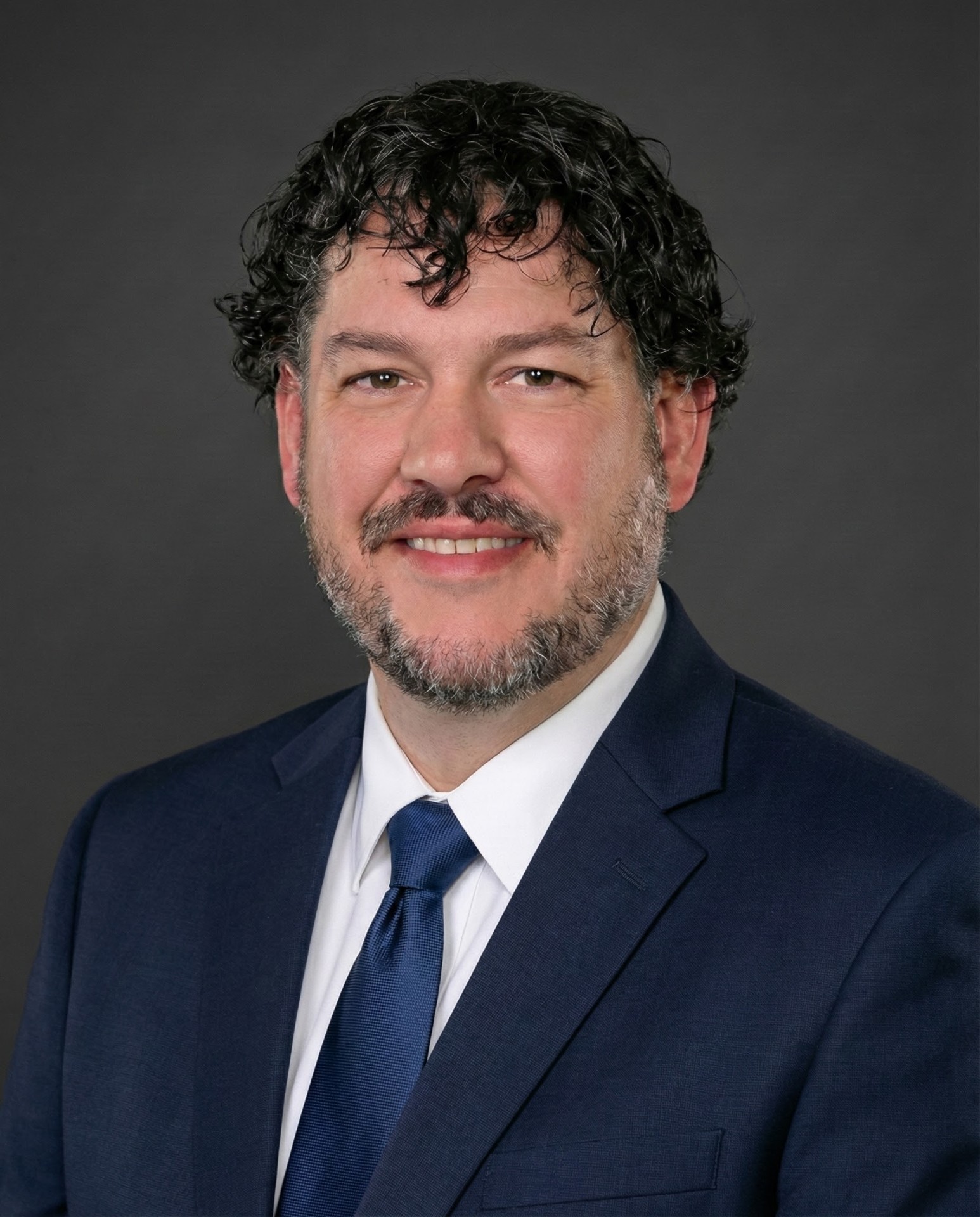
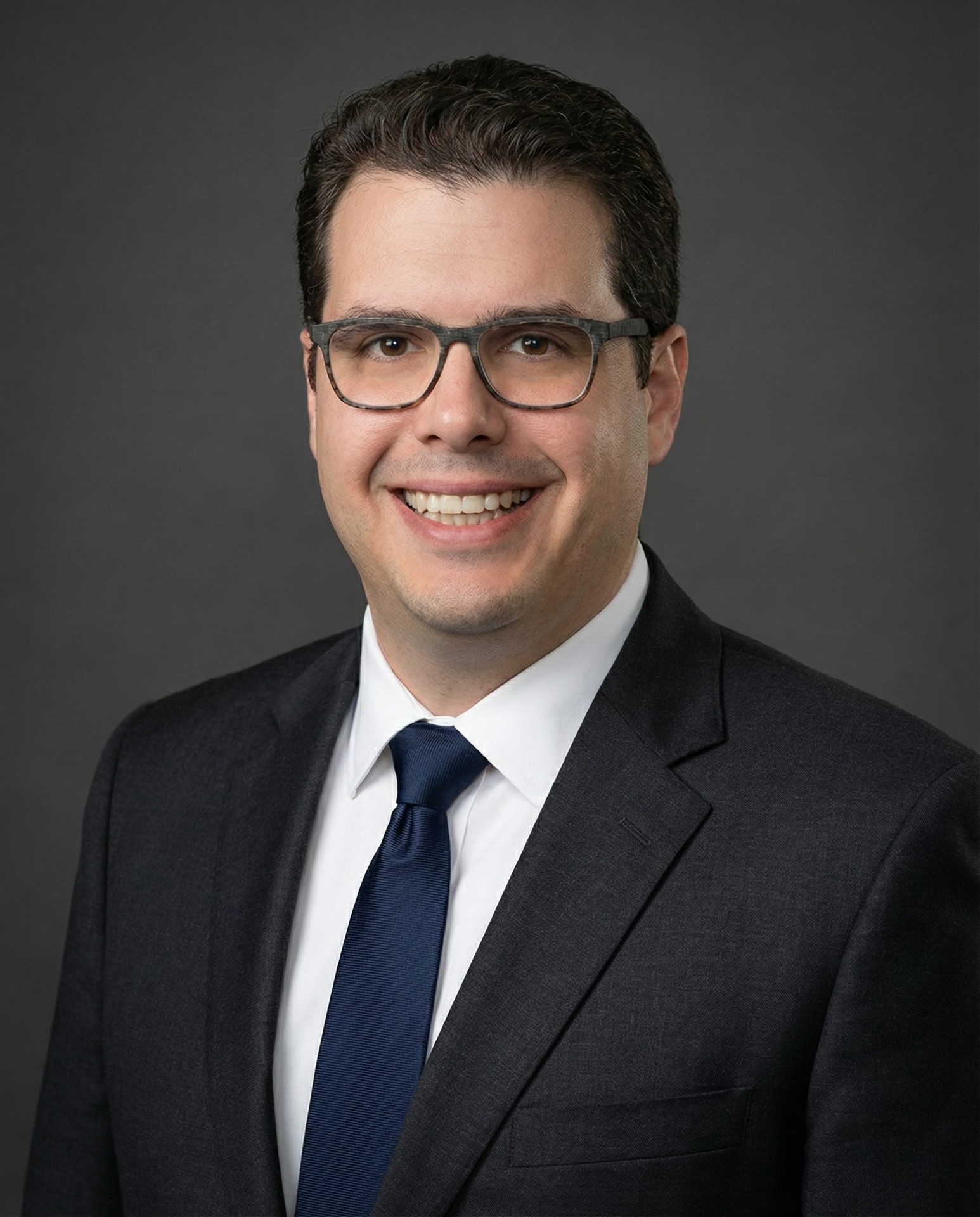
Varicose veins are enlarged, rope-like veins — most commonly in the legs — caused by failing one-way valves that let blood pool instead of returning to the heart. Left untreated, they can cause aching, heaviness, swelling, restless legs, skin discoloration, and in advanced cases venous ulcers or blood clots (DVT). At Restore Muscle and Joint in Kansas City, our board-certified vascular surgeons Dr. Robert Carter and Dr. Jonathan Wilson offer the complete range of modern, minimally invasive varicose vein treatments — all performed on-site in our dedicated Vascular Pain Intervention Suite with little to no downtime. We serve patients throughout the Kansas City metro, including Overland Park, Lee's Summit, Liberty, Gladstone, Parkville, Leavenworth, and Independence.
What are the varicose vein treatment options in Kansas City?
- Radiofrequency Ablation (RFA) — heat-sealed closure of saphenous veins
- Endovenous Laser Ablation (EVLA) — laser-based vein closure
- Sclerotherapy — injectable treatment for surface and reticular veins
- Ambulatory Phlebectomy — micro-extraction of bulging veins
- Varithena Chemical Ablation — foam therapy for tortuous veins
- Compression Therapy — custom-fit support garments
- DVT Diagnosis & Management — ultrasound-guided evaluation
- In-office venous ultrasound mapping
Symptoms of Varicose Veins & Chronic Venous Insufficiency
Many patients dismiss varicose veins as cosmetic, but they're frequently the visible sign of an underlying medical condition called chronic venous insufficiency (CVI). When venous valves fail, pressure builds in the lower leg veins and produces a wide range of symptoms. Common signs you may need a vein evaluation include:
- Visible bulging, rope-like or twisted veins on the legs or ankles
- Aching, throbbing, or heavy legs — especially after standing or at the end of the day
- Swelling at the ankles or lower legs
- Itching, burning, or tenderness over the veins
- Restless legs and night cramps
- Skin discoloration, thickening, or hardening (chronic stasis dermatitis)
- Open wounds or non-healing venous ulcers near the ankles (advanced disease)
- A history of superficial thrombophlebitis (clotting in a surface vein)
Not sure how severe your vein disease is? Take our quick vein severity self-assessment or learn about the medical CEAP classification system our specialists use to stage venous disease.
Medicare and most major insurance accepted. Coverage depends on medical necessity and your plan.
How Varicose Veins Are Diagnosed in Our Kansas City Clinic
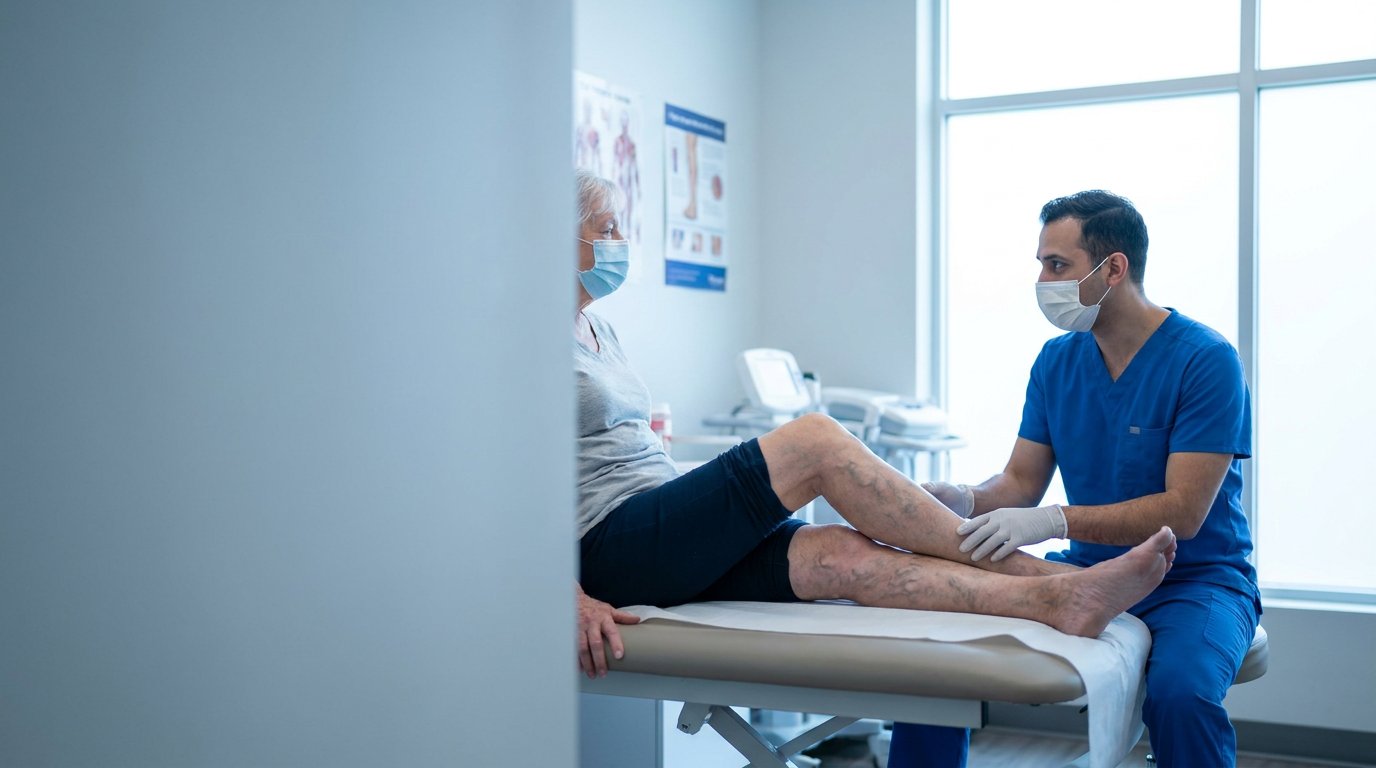
Diagnosis starts with a clinical exam and a non-invasive venous duplex ultrasound, performed right in our office by a registered vascular technologist. The ultrasound maps the affected veins, measures venous reflux (the backward flow caused by failing valves), and identifies the deep, perforator, and superficial veins involved.
From there, our vascular surgeons design a custom treatment plan based on which veins are diseased, the severity of reflux, your skin and symptoms, and your goals. Most patients receive their diagnosis, treatment plan, and insurance pre-authorization within a single visit — no hospital referral needed.
Varicose Vein Treatment Options Explained
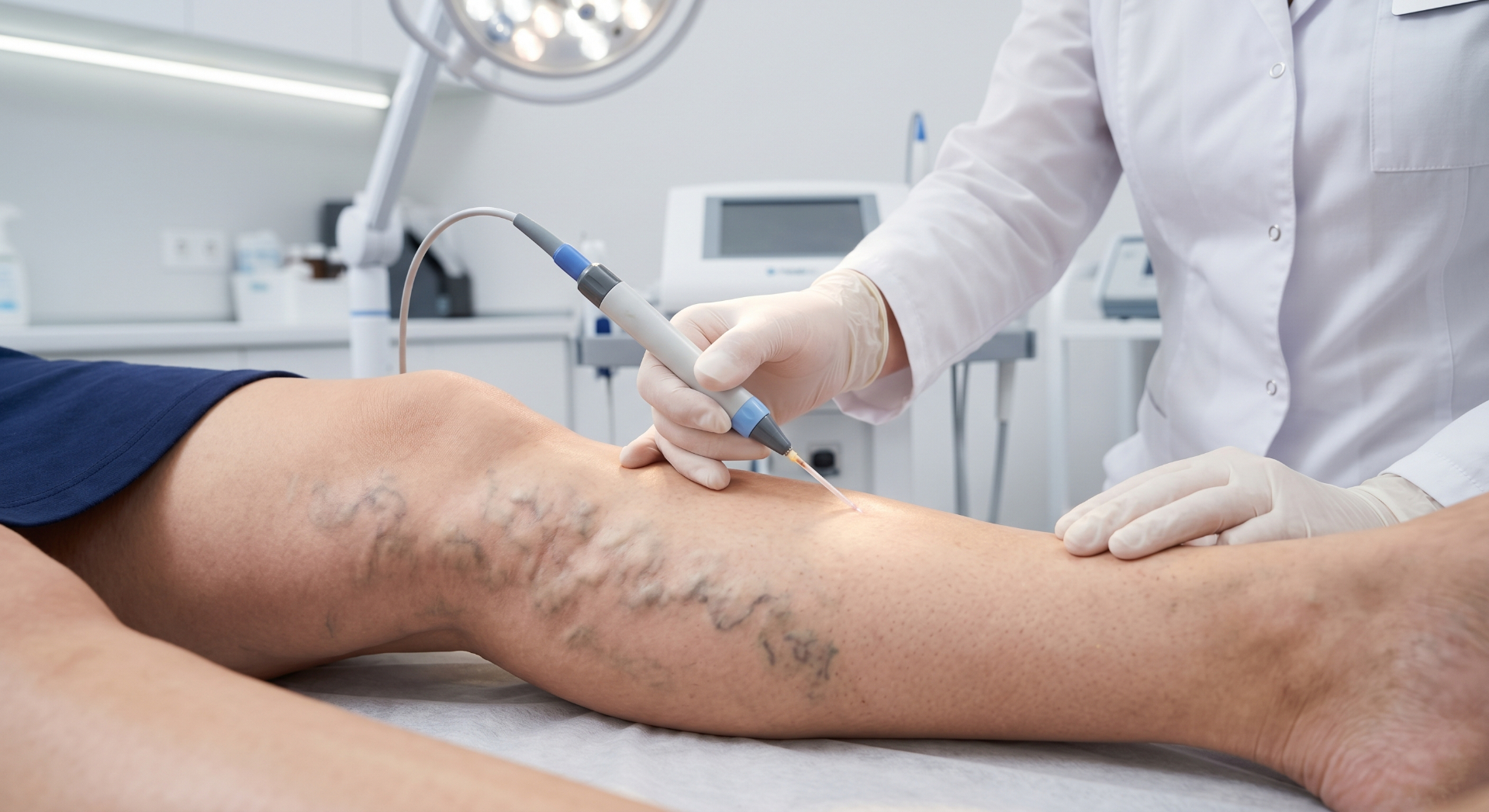
There is no single best varicose vein treatment — the right procedure depends on which veins are affected, how severe the reflux is, and your individual anatomy. Our vascular surgeons are trained in every modern technique, so we match the treatment to the patient (not the other way around).
Radiofrequency Ablation (RFA)
RFA is our most-performed treatment for the large saphenous veins (the great and small saphenous), which are responsible for most varicose vein disease. A thin catheter is guided into the diseased vein under ultrasound, and controlled radiofrequency heat permanently seals the vein closed. Blood naturally reroutes to healthy veins. The procedure takes 30–45 minutes, requires only local anesthetic (tumescent), and patients walk out and resume normal activity the same day. RFA is covered by Medicare and most major insurance plans when medical necessity is established.
Endovenous Laser Ablation (EVLA / Laser Vein Ablation)
EVLA uses laser energy instead of radiofrequency to seal a diseased saphenous vein. Like RFA, it's catheter-based, performed under local anesthesia, and completed in under an hour. Both RFA and laser have published closure rates above 95% at one year. We'll recommend whichever modality is best suited to your vein anatomy and tortuosity.
Varithena (Polidocanol Foam) Chemical Ablation
Varithena is an FDA-approved microfoam sclerosant ideal for tortuous, twisted, or above-the-knee varicose veins that are difficult to treat with a catheter. The foam is injected directly into the diseased vein under ultrasound guidance, displacing blood and causing the vein wall to collapse and close. Varithena treats branches that RFA and laser cannot reach.
Sclerotherapy
Sclerotherapy uses a fine needle to inject a sclerosing solution into smaller varicose, reticular, and spider veins. The solution irritates the vein lining and causes it to collapse and fade. Most patients need 2–4 sessions for full cosmetic clearance. Sclerotherapy is typically performed after the underlying saphenous reflux has been corrected with RFA or laser.
Ambulatory Phlebectomy
For large, bulging varicose veins close to the skin's surface, ambulatory phlebectomy physically removes the vein through micro-incisions (1–2 mm) that don't require stitches. It's performed under local anesthesia in the same office visit, often combined with RFA or laser ablation for complete treatment in a single appointment.
Compression Therapy
Most insurance plans require a 6–12 week trial of medical-grade compression stockings before covering vein procedures. We fit custom-strength compression garments in-office and use this period to confirm diagnosis, complete imaging, and secure pre-authorization. Compression also remains an important long-term tool for preventing recurrence.
Trying to decide between treatments? See our side-by-side RFA vs. Laser vs. Varithena comparison.
Are Varicose Vein Treatments Covered by Insurance?
In most cases, yes. When varicose veins cause medical symptoms — pain, swelling, skin changes, bleeding, or ulceration — treatment is considered medically necessary and is typically covered by Medicare, Medicare Advantage, Tricare, and the major commercial carriers (Blue Cross Blue Shield of Kansas City, Aetna, Cigna, UnitedHealthcare, Humana, and others).
Most insurance carriers require:
- A documented venous duplex ultrasound showing reflux
- A trial of conservative therapy (compression stockings) for 6–12 weeks
- Documented symptoms that interfere with daily activities
Our team handles the entire pre-authorization process and verifies your benefits before scheduling. Read more on our vein treatment cost & insurance page.
Why Choose Restore Muscle and Joint?
Kansas City has many vein clinics — here's what makes our program different:
- Two board-certified vascular surgeons (FSVS, FACS, RPVI) — not technicians or general practitioners. Meet Dr. Robert Carter and Dr. Jonathan Wilson.
- Dedicated on-site Vascular Pain Intervention Suite — diagnosis, imaging, and treatment in one location, with no hospital visit required.
- Most procedures covered by Medicare and major insurance — our team handles pre-authorization for you.
- Walk-in, walk-out — local anesthesia only, with same-day return to normal activity.
- Multi-specialty practice — vein care, embolization, and musculoskeletal pain treatment under one roof.
- Serving the entire KC metro — including Liberty, Gladstone, Parkville, and Leavenworth.
Want to see real results? View our before & after gallery.
What Happens If Varicose Veins Are Left Untreated?
Varicose veins are progressive — they almost never get better on their own, and the underlying valve failure tends to worsen over time. Untreated chronic venous insufficiency can lead to:
- Worsening pain, swelling, and fatigue in the legs
- Hyperpigmentation — brown or reddish skin discoloration around the ankle
- Lipodermatosclerosis — hardening and thickening of skin and fat
- Venous stasis ulcers — open wounds that are slow to heal
- Superficial thrombophlebitis — painful clots in surface veins
- Deep vein thrombosis (DVT) — read more about our DVT diagnosis & management
- Bleeding from a ruptured surface varicosity (can be heavy)
Earlier treatment is easier, less expensive, and produces better cosmetic results than waiting until skin changes or ulcers develop.
Frequently Asked Questions
Are varicose vein treatments covered by insurance?
Yes — when veins cause medical symptoms (pain, swelling, skin changes, bleeding, or ulcers), treatment is typically covered by Medicare and most major insurance plans including Blue Cross Blue Shield, Aetna, Cigna, UnitedHealthcare, Humana, and Tricare. Our team verifies your benefits and handles pre-authorization before treatment.
How long does varicose vein treatment take?
Most procedures (RFA, laser ablation, Varithena, sclerotherapy, and phlebectomy) take 30–90 minutes in our Kansas City office and require only local anesthesia. You walk in and walk out the same day.
Will my varicose veins come back after treatment?
Treated veins are permanently closed and reabsorbed by the body — they do not come back. However, new varicose veins can develop in other locations over time because the underlying tendency for valve failure remains. Wearing compression stockings and follow-up surveillance ultrasounds help catch any new disease early.
Is varicose vein treatment painful?
Modern in-office vein treatments use local anesthesia (tumescent) and most patients describe the experience as mild pressure or a brief stinging sensation during the injection. There is no general anesthesia, no surgical incision, and no overnight stay.
What's the best treatment for varicose veins?
There is no single best treatment — it depends on which veins are affected. Radiofrequency ablation (RFA) and endovenous laser ablation (EVLA) are the gold standard for diseased saphenous veins. Varithena foam works well for tortuous veins. Phlebectomy removes large bulging surface veins. Sclerotherapy handles smaller branches and spider veins. Most patients need a combination, which we plan during your consultation.
How much does varicose vein treatment cost in Kansas City?
When medically necessary, most patients pay only their normal insurance copay, deductible, or coinsurance — Medicare and major insurers cover the procedures. Out-of-pocket cosmetic spider vein sclerotherapy typically runs $300–$500 per session. We provide a written cost estimate before any treatment begins.
Do I need to see my primary care doctor first?
No — vascular surgeons are direct-access specialists. You can schedule a consultation with us directly. We'll coordinate with your primary care physician if needed for your insurance plan.
Can varicose veins cause blood clots?
Yes. Varicose veins increase the risk of superficial thrombophlebitis (a clot in a surface vein) and, less commonly, deep vein thrombosis (DVT). Symptoms include sudden leg pain, swelling, warmth, or redness — these require urgent evaluation. Treating the underlying venous reflux reduces clot risk.
What's the recovery time after varicose vein treatment?
There is essentially no recovery downtime. Most patients return to normal activity, including work and walking, the same day. We ask you to avoid heavy lifting and strenuous exercise for about a week, and to wear compression stockings for 1–2 weeks.
Will my insurance require compression stockings first?
Most plans (including Medicare) require a 6–12 week trial of medical-grade compression stockings before approving vein procedures. We fit and dispense these in-office and use the trial period to complete diagnostic ultrasound and insurance pre-authorization.
What's the difference between varicose veins and spider veins?
Varicose veins are large (over 3 mm), bulging, rope-like veins caused by underlying valve failure and reflux — they're a medical condition. Spider veins are tiny (under 1 mm) red or purple webs at the skin's surface and are usually cosmetic. They often coexist, but treatment is different — see our dedicated spider vein page.
Where do you treat patients?
Our Vascular Pain Intervention Suite is in Kansas City and we treat patients from across the metro, including Overland Park, Lenexa, Lee's Summit, Independence, Liberty, Gladstone, Parkville, Kearney, Smithville, North Kansas City, and Leavenworth.
Get Your Free Consultation Today
Schedule your appointment today and take the first step toward relief.
Request Your Appointment Today
Request a visit and our care team will call you within one business day to arrange your appointment.
Ready to talk to a specialist?
Our care team can help you explore your options and arrange an appointment that fits your needs.
Most major insurance accepted · 4119 NW Barry Rd, Kansas City, near Zona Rosa