OWCP billing depends on accepted conditions and required authorization.
DOL-enrolled providers. We help with the medical paperwork for your CA-1, CA-2, CA-7 and CA-16 claim. You remain responsible for filing your claim.

OWCP Behavioral Health & Mental Health Counseling in Kansas City
Psychiatric care, counseling, and FECA-compliant documentation for federal employees with work-related PTSD, depression, anxiety, and chronic pain conditions.
Federal injury claims are rarely only physical. The assault, the crash, the fall, the months off duty — they change how you sleep, how you think, and how you feel about walking back into the building. Restore Muscle and Joint now offers psychiatrist-led behavioral health care for federal employees, documented to the same FECA standard as the rest of your medical record.
Our clinic combines orthopedic care, physical therapy, impairment ratings, and psychiatric behavioral health for federal employees in one location. That matters, because emotional condition claims depend heavily on the medical evidence in the record — including a reasoned medical opinion addressing the relationship between the diagnosis and the reported work factors.
What Our Behavioral Health Program for Federal Employees Includes
- Psychiatric evaluation and mental health counseling for accepted and pending OWCP claims
- Emotional/psychological conditions documented to FECA causation standards — not generic therapy notes
- Consequential (secondary) psychological claims tied to an accepted physical injury
- CA-2 occupational disease filings for work-related stress, PTSD, anxiety, and depression
- CA-17 duty status and OWCP-5a/5c work capacity forms completed with psychiatric restrictions
- Medication management and talk therapy coordinated with your orthopedic and rehab care
- For conditions OWCP has accepted, we may bill the appropriate OWCP program directly
- Confidential care — your agency receives duty status and restrictions, not your session content
Conditions We Treat on OWCP Claims
Under FECA, a psychological condition is compensable when it arises from your federal employment — either directly, or as a consequence of an accepted physical injury. These are the conditions we evaluate, treat, and document for federal employees in Kansas City:
Post-Traumatic Stress Disorder (PTSD)
Assaults, inmate incidents, line-of-duty shootings, threats, motor vehicle crashes on duty, and repeated exposure to traumatic scenes.
Major Depression & Adjustment Disorder
Depression that develops after a disabling on-the-job injury, prolonged time off work, or a permanent change in job capacity.
Anxiety & Panic Disorder
Persistent worry, panic attacks, and avoidance triggered by workplace incidents, unsafe conditions, or returning to the site of an injury.
Chronic Pain–Related Psychological Conditions
Pain-related depression, sleep disruption, and pain catastrophizing following an accepted orthopedic or neurological injury.
Work-Related Stress & Burnout Conditions
Occupational disease claims arising from sustained overwork, understaffing, mandatory overtime, or hostile working conditions.
Acute Stress Reaction
Early symptoms in the days and weeks after a critical incident, when prompt documentation protects the claim.
Insomnia & Sleep Disturbance
Sleep loss secondary to pain, shift work, or trauma — often the symptom that keeps a federal worker off full duty.
Somatic Symptom & Pain Disorders
Physical symptoms amplified by psychological distress, evaluated by a psychiatrist alongside the treating orthopedic team.
Mild Traumatic Brain Injury / Post-Concussive Symptoms
Cognitive fog, irritability, and mood change after a head injury, coordinated with our concussion program.
Substance Use Concerns After Injury
Evaluation and referral when prescription pain medication use becomes a problem during recovery.
Grief & Critical Incident Response
Support after the loss of a coworker or involvement in a fatal on-duty event.
Return-to-Work Anxiety
Structured counseling to get a federal employee back through the door of the facility where the injury happened.
If your condition isn't listed, call us. The question OWCP asks is not whether a diagnosis is common — it's whether the medical evidence connects it to your federal job duties.
Why Emotional Condition Claims Get Denied
Emotional condition claims carry a heavier evidentiary burden than orthopedic claims. OWCP requires you to establish compensable factors of employment — actual, identified work events — and then requires a physician to explain, in medical terms, how those specific factors produced your diagnosis. Most denials come from the same handful of gaps:
- Generic therapy notes — "patient reports work stress" is not a rationalized medical opinion. DOL needs the mechanism spelled out.
- No DSM-level diagnosis — a symptom list without a formal psychiatric diagnosis gives the examiner nothing to accept.
- Unidentified work factors — the claim must name the incidents, dates, and duties, not describe the workplace in general terms.
- Administrative-only allegations — disciplinary actions, performance reviews, and leave decisions are generally not compensable factors unless error or abuse is shown. We help you focus the claim on what counts.
- Missing link to the accepted injury — for a consequential depression or pain-related condition, the opinion must connect it to the already-accepted physical condition.
See the common OWCP federal forms for how we document every claim.
How Our Behavioral Health Program Works
Step 1 — Psychiatric Evaluation
A full diagnostic evaluation with our psychiatrist: history, incident timeline, validated symptom measures, and a formal DSM-5-TR diagnosis. Everything is measured and recorded so your claim rests on objective findings, not impressions.
Step 2 — Causation Written to FECA Standard
We tie your diagnosis to identified compensable factors — the assault on the route, the inmate incident, the crash in the government vehicle, the surgery and the months of disability — in the rationalized medical-opinion language the Department of Labor requires.
Step 3 — Treatment: Counseling and Medication
Ongoing mental health counseling, trauma-focused therapy, and medication management when appropriate — coordinated with your physical therapy, chiropractic, and pain management so recovery moves on both fronts at once.
Step 4 — Forms, Restrictions, Return to Work
CA-1 or CA-2 filing support, CA-17 duty status, OWCP-5a/5c work capacity, and progress reporting at every visit — with a realistic return-to-work plan your agency and your claims examiner can both act on.
OWCP billing depends on accepted conditions and required authorization.
DOL-enrolled providers. We help with the medical paperwork for your CA-1, CA-2, CA-7 and CA-16 claim. You remain responsible for filing your claim.
Physical and Psychological Care on One Claim
When your orthopedist and your therapist work for different practices, their notes may not line up. Conflicting restrictions, inconsistent histories, and mismatched medical language can lead to requests for additional claim development. Here, one team writes the whole record:
One coordinated chart
Psychiatry, orthopedics, chiropractic, and PT documenting the same injury history with the same dates and findings.
Consistent restrictions
Physical and psychological limitations reconciled into one duty status your agency can actually apply.
Faster claim development
Records assembled and released together when the examiner requests them — no chasing an outside therapist.
Whole-person recovery
Pain, sleep, mood, and function treated as one problem, because for an injured federal worker they are.
Impairment ratings in-house
Sixth Edition AMA Guides rating physician on staff for the physical components of your claim.
Northland convenience
4119 NW Barry Rd., Kansas City, MO 64154 — free parking, minutes from I-29 and MCI.
Real Federal Workers, Accepted Claims, Back on the Job
Federal Employees We Have Cared For.
In Their Own Words.
These are patients of our Kansas City clinic who chose to share their experience after being treated for a work injury. Individual results vary, and claim decisions are made by OWCP.
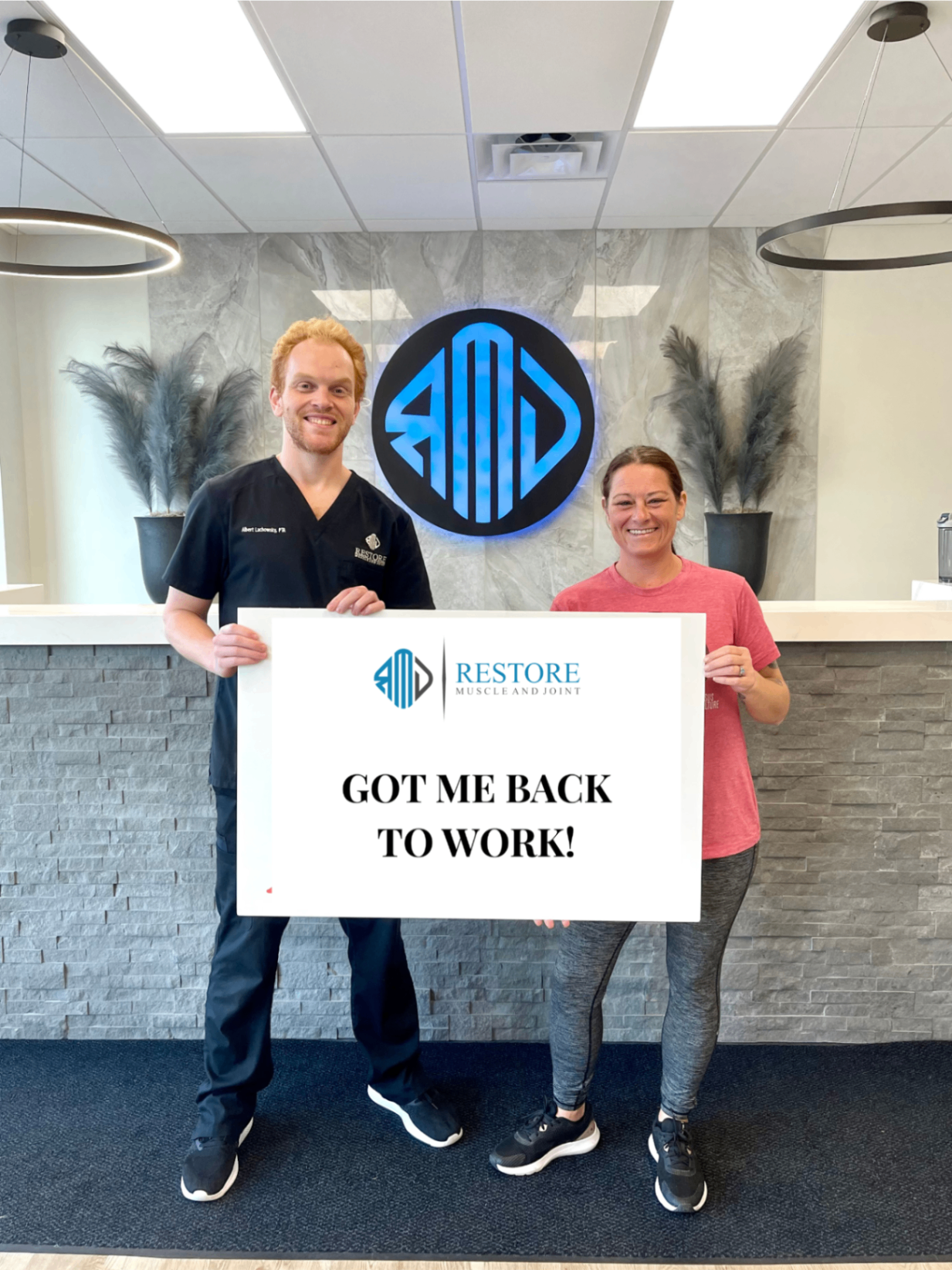
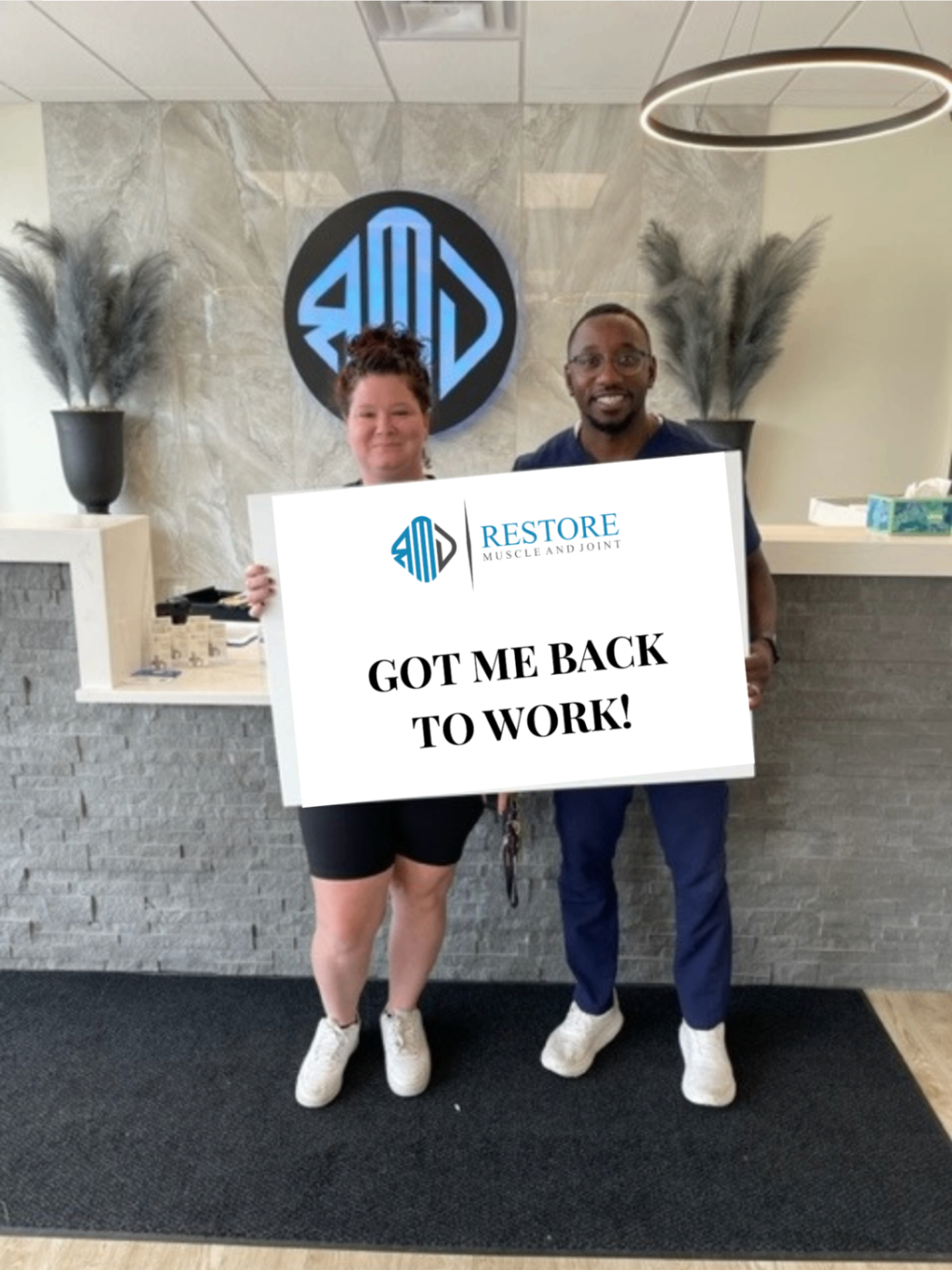
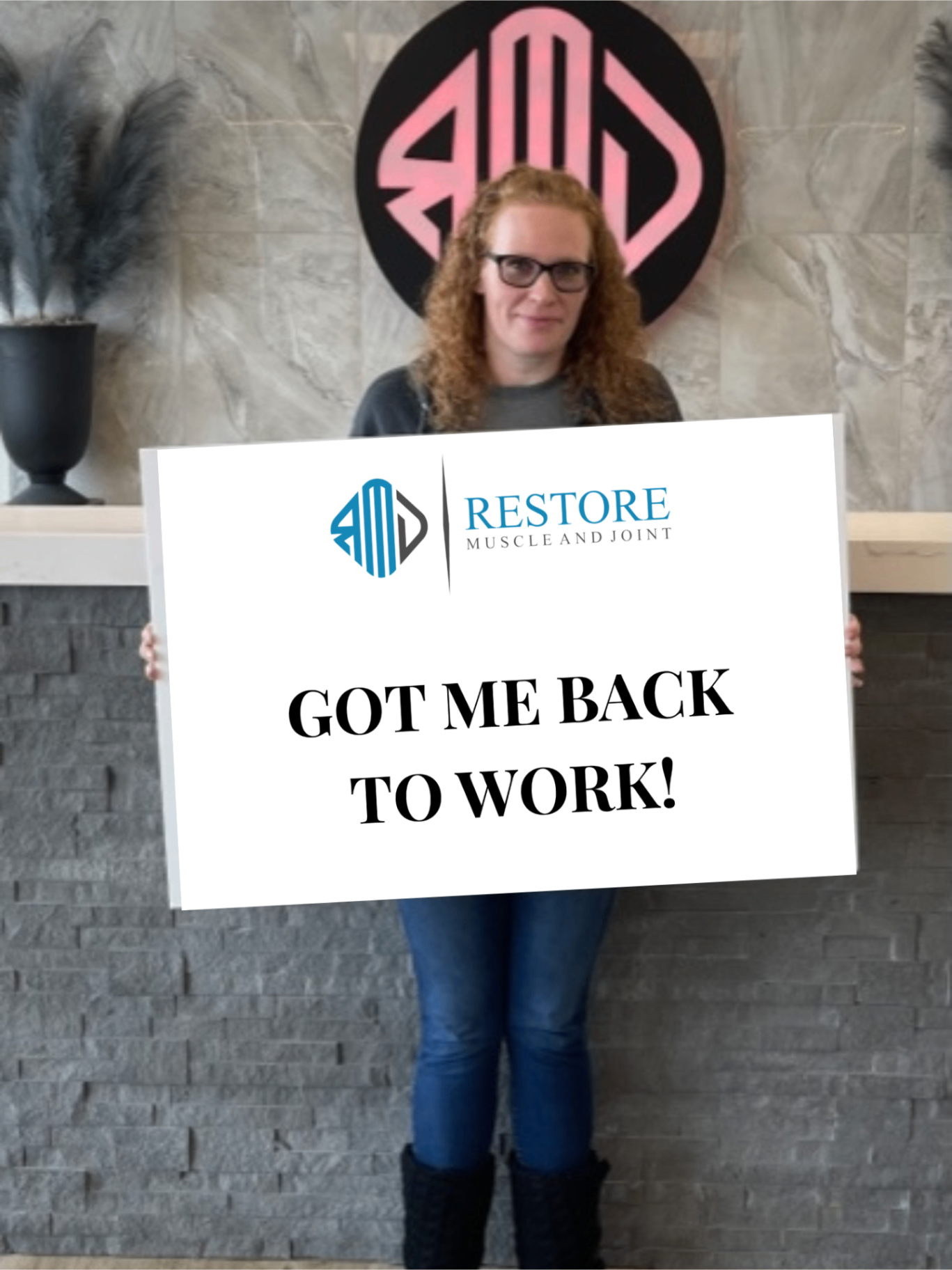

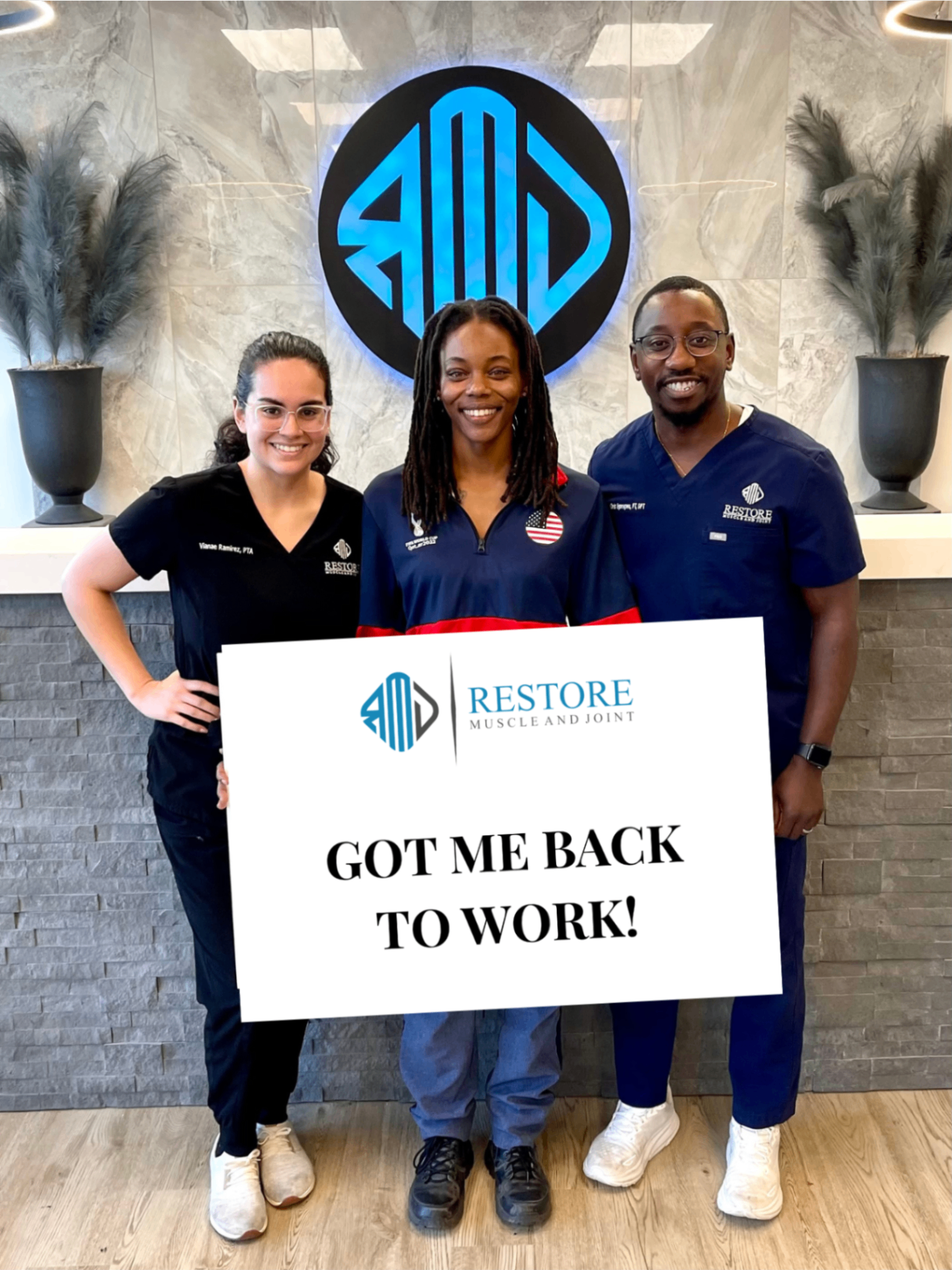
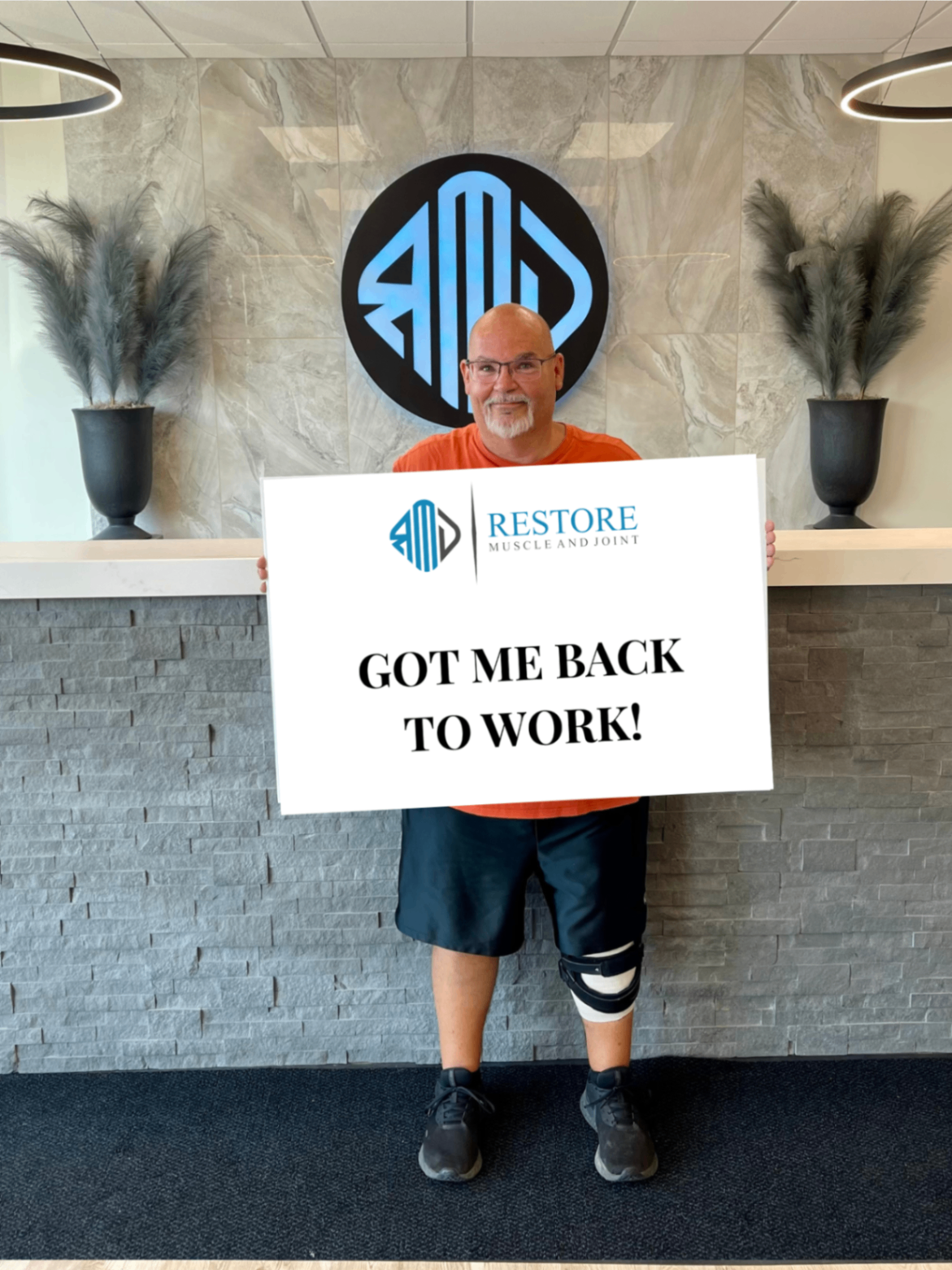
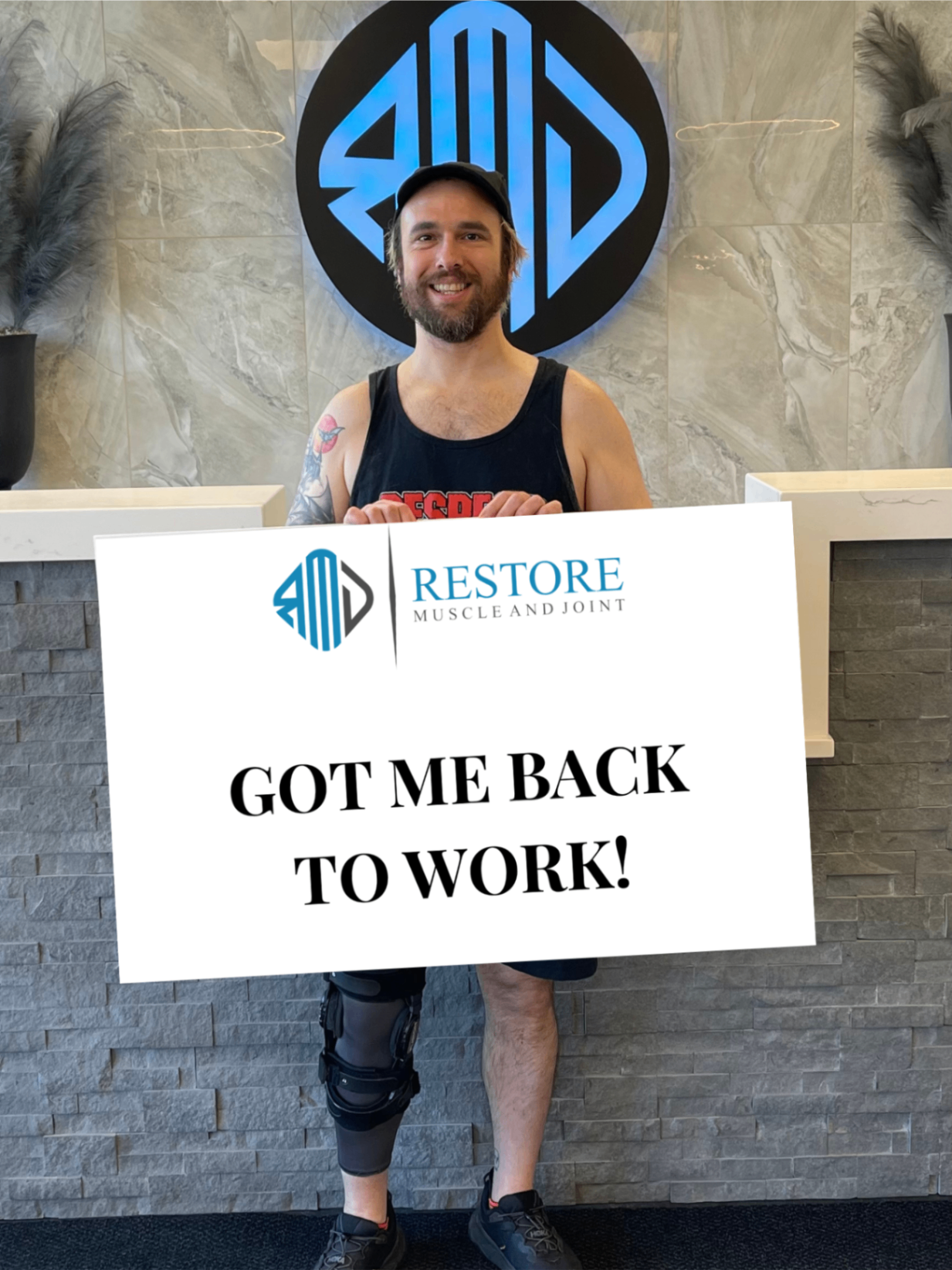
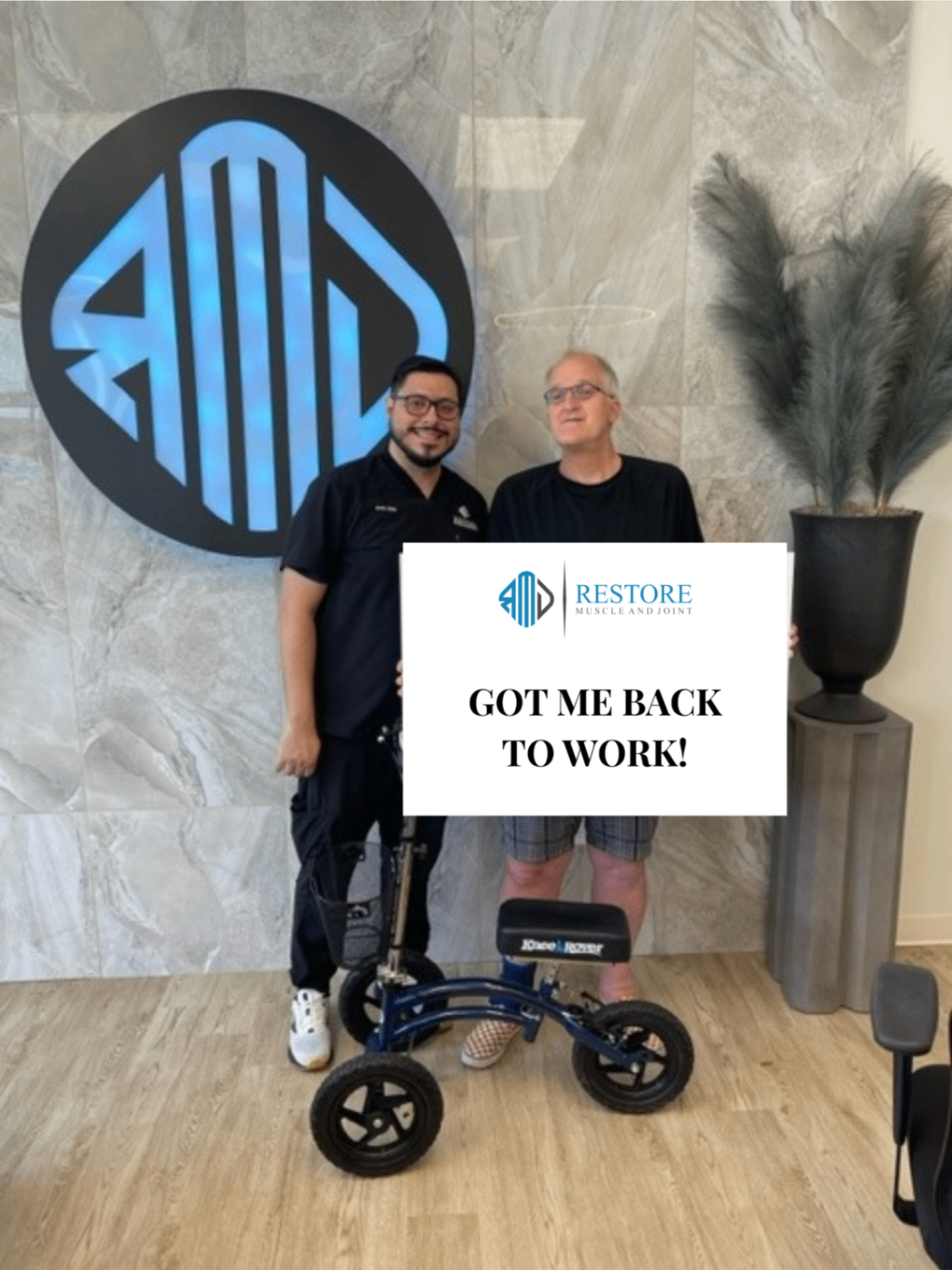
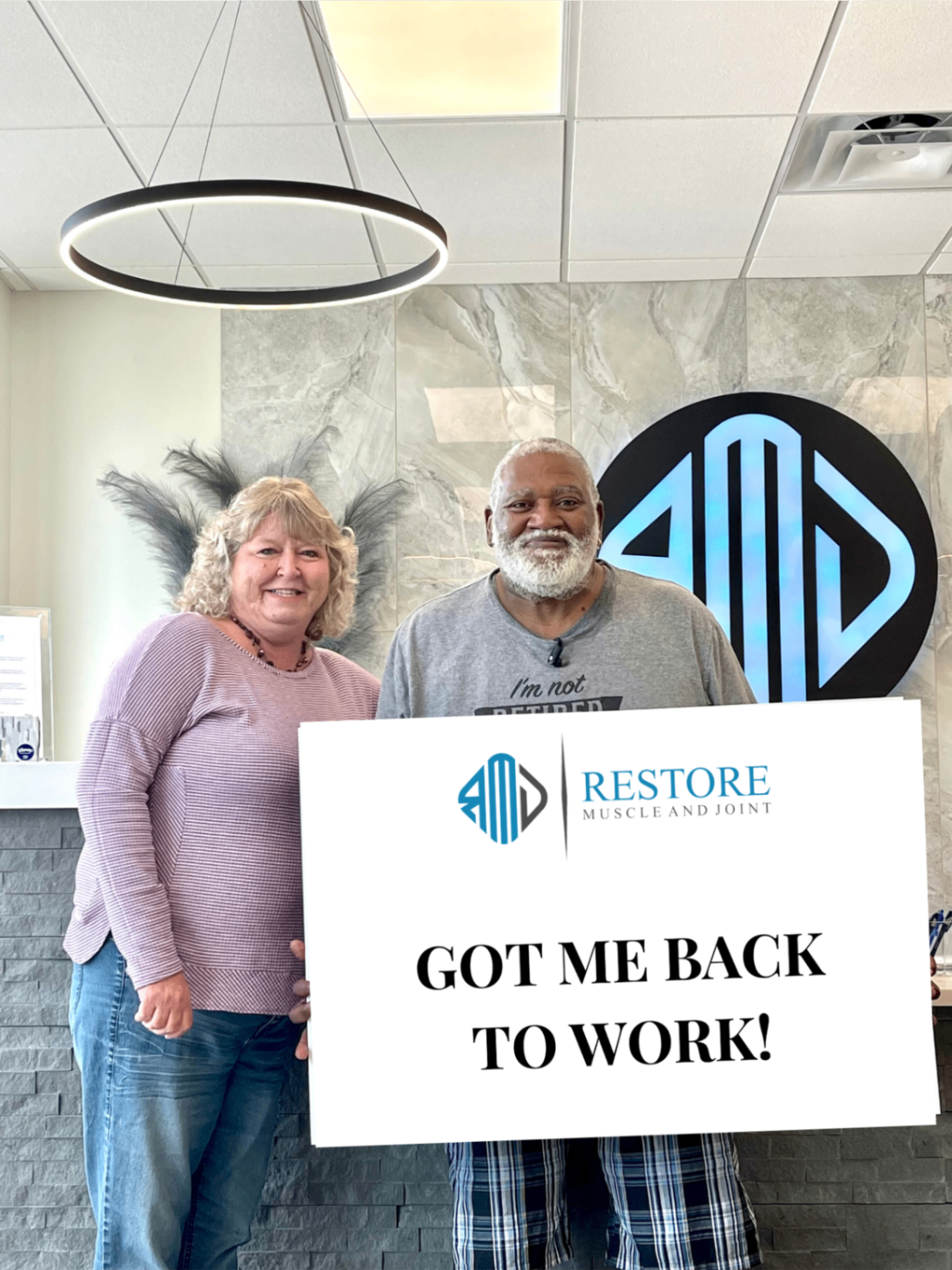

Patient experiences are individual and do not predict claim acceptance, treatment outcomes, benefits, or return-to-work results. OWCP independently determines claim acceptance and benefits.
Federal Agencies We Serve in Kansas City
Every agency produces its own psychological exposures — assaults on a route, checkpoint confrontations, patient violence, line-of-duty incidents. We document each one for what it is:
Injured on a state job instead? See our Missouri workers' compensation clinic.
Serving Federal Workers Across the KC Metro
Federal employees come to our NW Barry Rd. clinic from both sides of the state line for OWCP behavioral health care:
Start with our OWCP doctor overview for Kansas City if you have not filed yet.
Important Notice
Restore Muscle and Joint is an independent medical practice and is not affiliated with or endorsed by the U.S. Department of Labor, the Office of Workers' Compensation Programs, or any other federal agency. Information on this page is provided for general educational purposes and should not be considered legal advice or a guarantee of claim acceptance, benefits, payment, or medical authorization. Individual circumstances and OWCP requirements may vary.
Frequently Asked Questions
Does OWCP cover mental health counseling for federal employees?
Yes. The Federal Employees' Compensation Act covers psychiatric and psychological conditions when they are causally related to federal employment — either as a primary work-related emotional condition or as a consequential condition arising from an accepted physical injury. For conditions OWCP has accepted, we may bill the appropriate OWCP program directly. Whether a condition is accepted is determined by OWCP.
Do you have a psychiatrist for OWCP claims in Kansas City?
Yes. Restore Muscle and Joint offers psychiatric evaluation, medication management, and mental health counseling for federal employees, integrated with our OWCP orthopedic, chiropractic, and physical therapy care at 4119 NW Barry Rd., Kansas City, MO 64154.
What makes your clinic different for behavioral health OWCP cases?
Our clinic combines orthopedic care, physical therapy, impairment ratings, and psychiatric behavioral health for federal employees in one location. Your physical and psychological conditions are documented by one coordinated team, on the same claim, with consistent medical language.
Which form do I file for a work-related mental health condition?
A psychological condition that develops over time from work exposures is generally filed on a CA-2 (occupational disease). A condition caused by a single traumatic event — an assault, a crash, a critical incident — is generally filed on a CA-1. If the condition is secondary to an already accepted injury, it is usually added to the existing claim as a consequential condition.
Can I add depression or PTSD to a claim that was already accepted for a physical injury?
Yes. This is a consequential (secondary) condition claim. It requires a physician's rationalized medical opinion linking the psychological diagnosis to the accepted injury or its treatment. Our providers address that medical opinion with supporting clinical rationale.
Will my agency see what I talk about in counseling?
No. Your agency receives duty status and work restrictions — the CA-17 and work capacity forms. Your clinical session content is protected. OWCP's claims examiner may review medical reports relevant to the accepted condition, but that is not the same as your employer reading your therapy notes.
How much does behavioral health care cost a federal employee?
For conditions OWCP has accepted, we may bill the appropriate OWCP program directly; what is authorized and payable is determined by OWCP. Before acceptance we will explain your options, including a CA-16 authorization if your employing agency issues one.
How fast can I be seen?
We work to schedule federal employees promptly, often within the same week. Prompt evaluation after a critical incident creates a contemporaneous medical record. Call (816) 452-4488.
Can I get counseling if my emotional condition claim was denied?
Yes, you can be evaluated and treated regardless of claim status. Denials of emotional condition claims often relate to the sufficiency of medical evidence. We review the denial, perform a full psychiatric evaluation, and prepare a current medical report. Decisions on reconsideration and appeals are made by OWCP and the Employees' Compensation Appeals Board.
Do you treat BOP correctional officers, USPS carriers, TSA, and VA staff?
Yes. We treat federal employees from BOP, USPS, TSA, VA, federal law enforcement, IRS, and other agencies across Missouri and Kansas. Each agency's exposures produce different psychological claims, and we document accordingly.
Is telehealth available for behavioral health visits?
Many follow-up counseling and medication management visits can be handled remotely for federal employees in Missouri and Kansas. The initial psychiatric evaluation is performed in person at our NW Barry Rd. clinic.
Can a psychiatric condition qualify for a Schedule Award?
Schedule Awards under FECA are paid for permanent impairment of specific body members and organs, and psychiatric conditions alone are generally not scheduled. However, an accepted emotional condition can support wage-loss compensation and affect your work capacity determination. Our Sixth Edition impairment rating physician handles the physical components of your claim.
Get Your Free Consultation Today
Talk to someone who understands both the injury and the claim — call (816) 452-4488.
Request Your Appointment Today
Request a visit and our care team will call you within one business day to arrange your appointment.
Ready to talk to a specialist?
Our care team can help you explore your options and arrange an appointment that fits your needs.
Most major insurance accepted · 4119 NW Barry Rd, Kansas City, near Zona Rosa