Most major insurance accepted. Coverage for this procedure varies; we check your benefits before treatment.
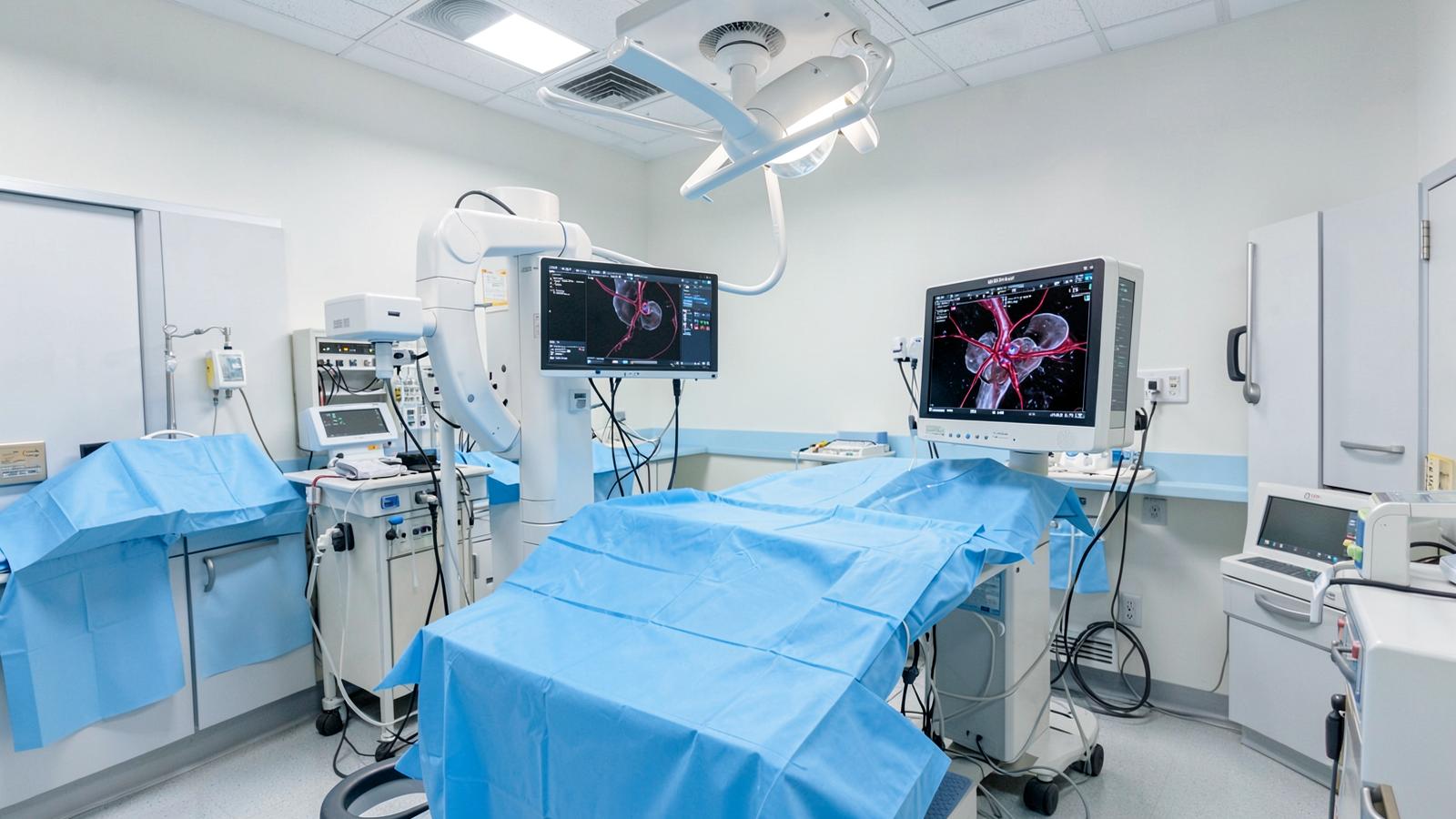
Uterine Fibroid Embolization (UFE) in Kansas City
A minimally invasive, non-surgical alternative to hysterectomy for heavy periods, pelvic pressure, and pain caused by uterine fibroids.
Duration
45–90 minutes
Anesthesia
Moderate sedation (no general anesthesia)
Downtime
Most women return to normal activity in 5–10 days
Insurance
Covered by Medicare and most commercial plans
Uterine fibroids affect up to 70–80% of women by age 50, and for many they mean heavy periods, cramping, pelvic pressure, frequent urination, and fatigue from anemia. Hysterectomy is not the only option. Uterine Fibroid Embolization (UFE) — also called uterine artery embolization (UAE) — is a minimally invasive, image-guided procedure that shrinks fibroids by cutting off their blood supply, with no surgical incision, no general anesthesia, and no removal of the uterus. At Restore Muscle and Joint, UFE is performed in our Kansas City office-based lab by board-certified vascular surgeons with advanced fellowship training in embolization.
What is Uterine Fibroid Embolization?
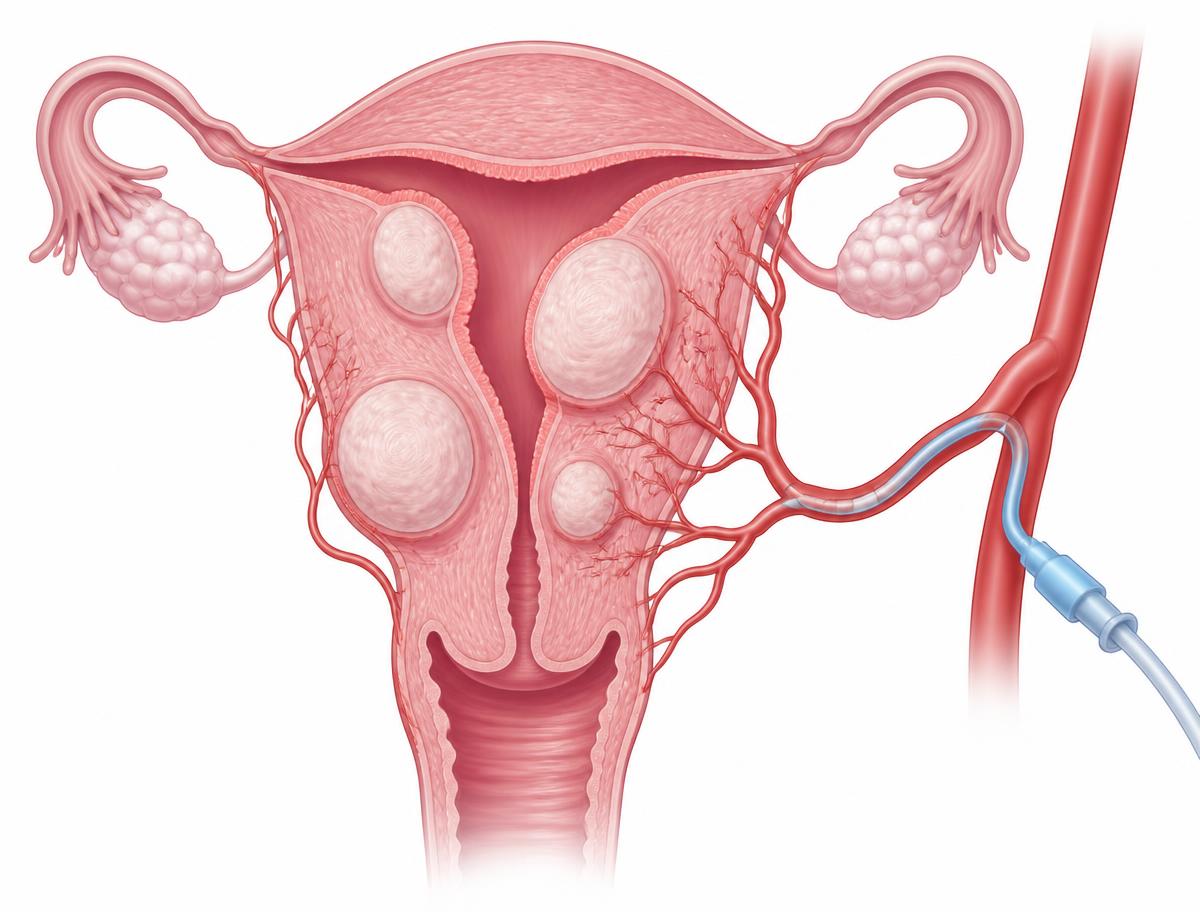
Uterine Fibroid Embolization is a catheter-based procedure that treats fibroids from the inside out. Through a tiny nick in the skin — usually at the wrist or groin — a thin catheter is guided under real-time imaging (fluoroscopy) into the uterine arteries that feed the fibroids. Microscopic embolic particles are released to block that blood supply. Deprived of blood flow, the fibroids soften, shrink, and stop causing symptoms, while healthy uterine tissue continues to receive blood from surrounding vessels. There are no incisions, no stitches, and the uterus stays intact.
Symptoms and Conditions UFE Treats
- Heavy Menstrual Bleeding (Menorrhagia): Prolonged periods, flooding, clotting, and iron-deficiency anemia.
- Pelvic Pressure and Bloating: A heavy, full sensation or visible abdominal enlargement from an enlarged fibroid uterus.
- Pelvic and Low Back Pain: Chronic cramping, pressure pain, and pain with intercourse.
- Urinary Frequency and Urgency: Caused by fibroids pressing on the bladder.
- Constipation and Rectal Pressure: From fibroids pressing against the bowel.
- Adenomyosis: Embolization can also relieve heavy bleeding and pain caused by adenomyosis.
- Fatigue and Low Energy: Often the result of chronic blood loss from fibroid bleeding.
How the UFE Procedure Works
UFE is performed under moderate sedation in our state-of-the-art Office-Based Lab (OBL) — no hospital stay:
- Imaging (ultrasound and/or MRI) confirms fibroid size, number, and location before scheduling.
- A small catheter is inserted through the radial artery at the wrist or the femoral artery at the groin.
- Under fluoroscopic guidance, the catheter is navigated into both uterine arteries.
- Embolic microspheres are injected to block blood flow to the fibroids while sparing healthy uterine tissue.
- The catheter is removed and a small bandage is applied — no stitches needed.
The procedure typically takes 45–90 minutes. Cramping is expected for the first 24–48 hours and is managed with a prescribed medication plan. Most women return to normal activities within 5–10 days, compared to 6 weeks of recovery after a hysterectomy.
Most major insurance accepted. Coverage for this procedure varies; we check your benefits before treatment.
Benefits of UFE Compared to Surgery
- No Hysterectomy: Your uterus is preserved — UFE treats the fibroids, not the organ.
- No Incisions or General Anesthesia: A pinhole access site instead of surgery.
- Fast Recovery: Days, not weeks. Hysterectomy and myomectomy typically require 4–6 weeks off.
- Treats All Fibroids at Once: Every fibroid fed by the uterine arteries is treated in a single session.
- Proven Symptom Relief: Published outcomes show 85–90% of women report significant improvement in bleeding and bulk symptoms.
- Outpatient: Performed in our Kansas City office-based lab — home the same day.
- Covered by Insurance: Medicare and most commercial plans cover UFE; our office verifies benefits first.
Am I a Candidate for UFE?
You may be a strong candidate for Uterine Fibroid Embolization if you:
- Have fibroids confirmed by ultrasound or MRI
- Experience heavy bleeding, pelvic pressure, pain, or urinary symptoms
- Have not gotten lasting relief from hormonal therapy, an IUD, or medication
- Want to avoid hysterectomy or open surgery
- Are pre-menopausal and not currently pregnant
UFE may not be appropriate for women with active pelvic infection, suspected gynecologic malignancy, or certain pedunculated fibroids. Women hoping for future pregnancy should discuss all options — including myomectomy — during consultation. Our team coordinates directly with your OB/GYN so your care stays connected.
Clinical Research Supporting UFE
UFE is a well-established procedure supported by decades of peer-reviewed evidence and endorsed by ACOG and the Society of Interventional Radiology:
- Uterine artery embolisation for symptomatic uterine fibroids — Cochrane Database of Systematic Reviews
- REST Trial: UAE versus Surgery for Symptomatic Uterine Fibroids — New England Journal of Medicine (2007)
- EMMY Trial 10-Year Outcomes: Uterine Artery Embolization vs. Hysterectomy — American Journal of Obstetrics & Gynecology
- Long-term Clinical Outcomes of Uterine Artery Embolization — Journal of Vascular and Interventional Radiology
Randomized trials consistently show UFE delivers symptom relief comparable to surgery with shorter hospital stays, faster recovery, and high patient satisfaction at long-term follow-up.
Performed at Leading Medical Centers Nationwide
Uterine Fibroid Embolization (UFE) is part of a growing field of minimally invasive, image-guided interventional procedures. Leading academic medical centers and interventional radiology programs across the country are actively performing and researching arterial embolization for musculoskeletal and chronic pain conditions, including:
- UCLA HealthInterventional Radiology
- Mount SinaiInterventional Radiology
- Cleveland ClinicInterventional Radiology
- Mayo ClinicInterventional Radiology
- Johns Hopkins MedicineInterventional Radiology
- UCSF HealthInterventional Radiology
- Penn MedicineInterventional Radiology
- NYU LangoneInterventional Radiology
- Stanford Health CareInterventional Radiology
Restore Muscle and Joint is independent and not affiliated with the institutions listed above. Links are provided as references to the broader field of interventional radiology where these procedures are performed and studied.
Frequently Asked Questions
What is Uterine Fibroid Embolization (UFE)?
UFE is a minimally invasive, image-guided procedure that blocks blood flow to uterine fibroids with tiny embolic particles delivered through a catheter, causing the fibroids to shrink and symptoms to resolve — without surgery or hysterectomy.
Is UFE a good alternative to hysterectomy?
Yes. For most women with symptomatic fibroids, UFE relieves heavy bleeding and pressure symptoms as effectively as surgery while preserving the uterus, avoiding general anesthesia, and cutting recovery from weeks to days.
How long does UFE take?
The procedure typically takes 45–90 minutes and is performed as an outpatient procedure in our Kansas City office-based lab. You go home the same day.
How painful is recovery after UFE?
Pelvic cramping similar to a strong menstrual cramp is expected for the first 24–48 hours. It is controlled with a prescribed medication plan and improves quickly. Most women resume normal activity within 5–10 days.
How much do fibroids shrink after UFE?
Fibroid volume typically decreases 40–60% over three to six months, and the uterus itself shrinks as well, relieving bulk symptoms like bloating and urinary frequency.
Will my periods get lighter?
Yes — roughly 85–90% of women report significantly lighter, shorter periods within one to three cycles after UFE.
Is UFE covered by insurance or Medicare?
Medicare and most major commercial insurance plans cover Uterine Fibroid Embolization for documented symptomatic fibroids. Our office verifies your benefits before scheduling.
Can I still get pregnant after UFE?
Pregnancy after UFE is possible and has been reported in many patients, but if future fertility is a priority you should discuss all options — including myomectomy — with your OB/GYN and our vascular team during consultation.
Do I need an MRI before UFE?
Most patients get an MRI or a detailed pelvic ultrasound beforehand to map fibroid size, number, and blood supply and confirm you're a good candidate.
Is UFE the same as uterine artery embolization (UAE)?
Yes — 'UFE' and 'UAE' refer to the same procedure. UFE describes it by the condition treated; UAE describes it by the vessel targeted.
What are the risks of UFE?
UFE is generally very safe. Possible effects include post-embolization syndrome (cramping, low-grade fever, fatigue for a few days), bruising at the access site, and, uncommonly, changes in menstrual cycle. Serious complications are rare.
Who performs UFE at Restore Muscle and Joint?
UFE is performed at our Kansas City office by board-certified vascular surgeons Dr. Robert R. Carter (MD, FSVS, FACS, RPVI) and Dr. Jonathan E. Wilson (DO, FACOS, FSVS, RPVI), both fellowship-trained in image-guided endovascular embolization.
Your Recovery Timeline
Day 0
Procedure Day
45–90 minute outpatient procedure under moderate sedation. Home the same day with a cramping-control plan.
Days 1–3
Cramping Phase
Pelvic cramping and fatigue are expected as fibroids begin to shrink. Managed with prescribed medication.
Days 5–10
Back to Routine
Most women return to work and normal daily activity.
1–3 Months
Bleeding Improves
Periods become noticeably lighter and shorter; anemia and energy levels improve.
3–6 Months
Fibroids Shrink
Fibroid volume typically decreases 40–60%, relieving pressure, bloating, and urinary symptoms.
Meet Your UFE Providers
Your Uterine Fibroid Embolization is performed by board-certified vascular surgeons with advanced fellowship training in image-guided, minimally invasive procedures.
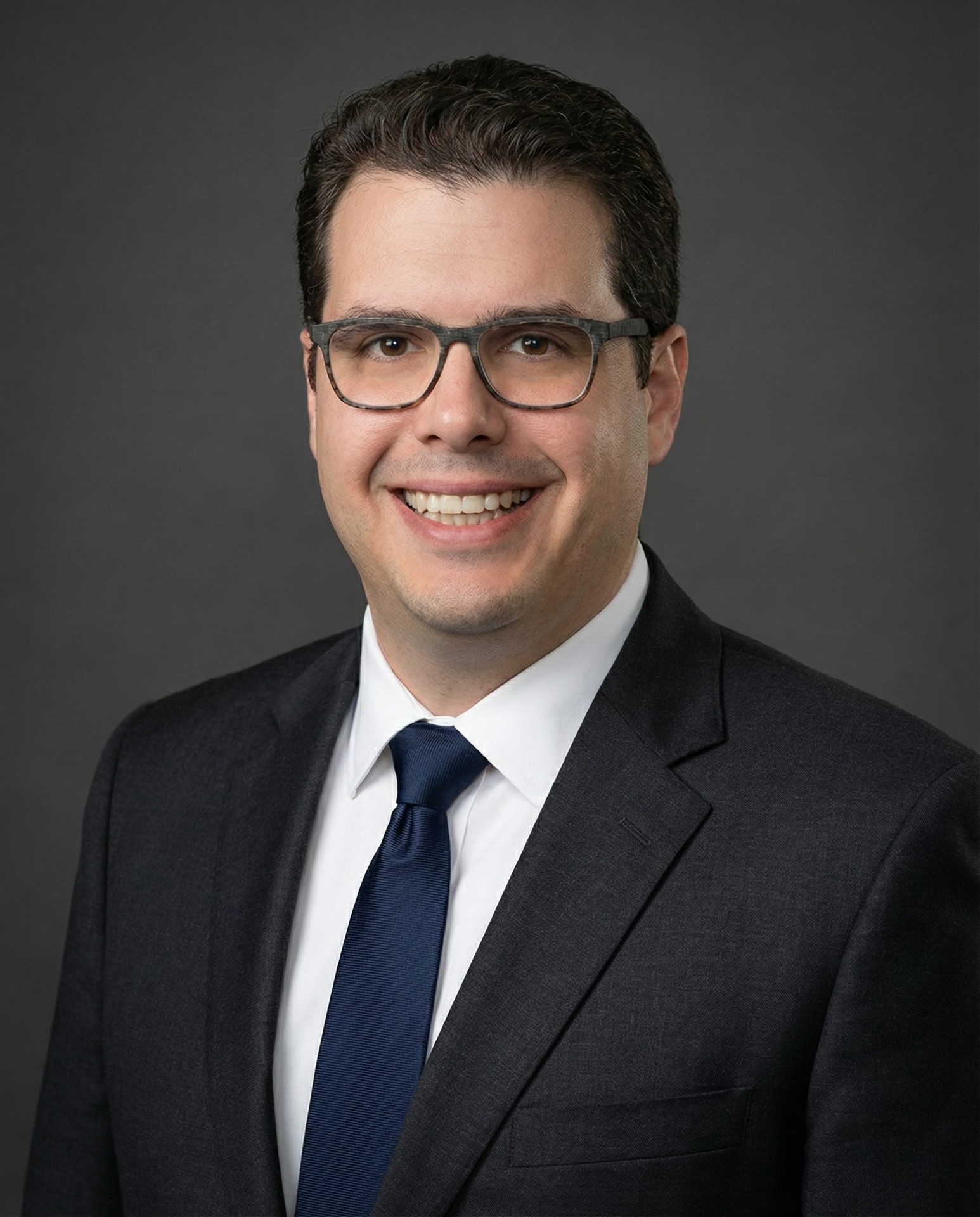
Dr. Robert R. Carter
MD, FSVS, FACS, RPVI
Board-certified vascular surgeon and Fellow of the American College of Surgeons. UC Davis medical degree, vascular surgery fellowship at the University of Kentucky. Published author and associate professor training the next generation of surgeons in Kansas City.
View Full Bio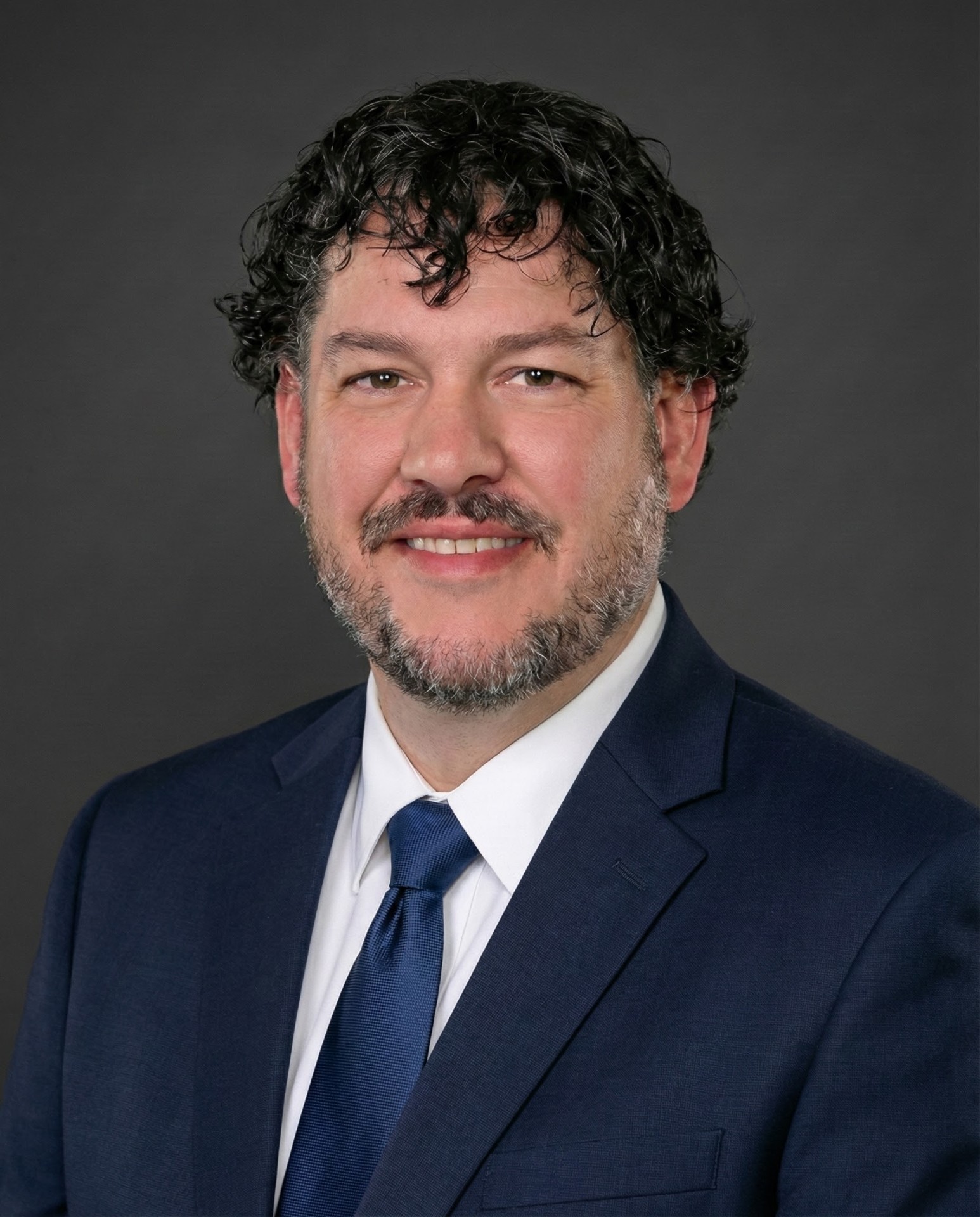
Dr. Jonathan E. Wilson
DO, FACOS, FSVS, RPVI
Board-certified vascular surgeon specializing in minimally invasive, image-guided embolization procedures for chronic pain conditions of the uterus, knee, shoulder, elbow, and foot.
View Full BioGet Your Free Consultation Today
If heavy periods, pelvic pressure, or fibroid pain are running your life, you may not need a hysterectomy. Call Restore Muscle and Joint at 816-452-4488 to schedule a UFE consultation in Kansas City.
Request Your Appointment Today
Request a visit and our care team will call you within one business day to arrange your appointment.
Ready to talk to a specialist?
Our care team can help you explore your options and arrange an appointment that fits your needs.
Most major insurance accepted · 4119 NW Barry Rd, Kansas City, near Zona Rosa