Medicare and most major insurance accepted. We check your coverage before treatment; benefits vary by plan.
SIR’s GAE Position Statement: Orthopedic and Vascular Care Together in Kansas City
Medicare and most major insurance accepted. We check your coverage before treatment; benefits vary by plan.
Explore genicular artery embolization in Kansas City at Restore Muscle and Joint.
Updated October 31, 2026. The Society of Interventional Radiology (SIR) supports genicular artery embolization as an option for appropriately selected patients with symptomatic knee osteoarthritis. Importantly, its statement places GAE within a multidisciplinary care model, not in place of every other treatment.
At Restore Muscle and Joint, that connects with our approach: bring orthopedic and vascular perspectives together so the treatment plan considers both the joint’s structure and the inflammation that may contribute to pain. Our goal is the best appropriate result for each individual—not to promise that combining specialties guarantees superior outcomes.
For treatment details, visit our guide to genicular artery embolization in Kansas City.
What did the Society of Interventional Radiology actually say?
SIR announced its position statement on May 12, 2026, following publication in the Journal of Vascular and Interventional Radiology. Its official announcement describes evidence-based support for GAE in people with symptomatic knee osteoarthritis who have not obtained adequate relief from conservative therapy and are not candidates for, or wish to delay, total knee replacement.
SIR identifies GAE as a minimally invasive, joint-preserving option directed at inflammatory and neurovascular contributors to arthritis pain. It emphasizes appropriately selected patients, trained interventional radiologists and multidisciplinary care. It also calls for larger randomized controlled trials to confirm early findings and inform future care guidelines.
Read the SIR Position Statement on Genicular Artery Embolization for Symptomatic Knee Osteoarthritis.
This is professional-society support for a treatment option—not an endorsement of Restore Muscle and Joint, a guarantee of insurance coverage, or proof that GAE is best for every painful knee.
Why orthopedic and vascular perspectives belong together
Knee pain is not always explained by one problem. Arthritis can involve structural degeneration, inflammation, stiffness and muscle weakness. Other conditions can also cause similar symptoms. A treatment directed at one contributor may leave another untreated.
The orthopedic perspective considers the joint itself. Examination and clinically appropriate imaging help assess arthritis, alignment, mechanical symptoms and whether a surgical opinion is needed. Significant structural problems may call for a different treatment than inflammation-focused care.
The vascular perspective considers whether embolization is appropriate and safe. GAE uses a catheter and image guidance to target selected abnormal vessels associated with inflamed tissue around the knee. Evaluation includes circulation, kidney health, contrast-related risks, medications and other factors affecting candidacy. It is not a procedure to block all blood supply to the knee.
Rehabilitation addresses movement and function. Strength, range of motion, walking tolerance and daily activities still matter whether or not a procedure is chosen. Physical therapy and rehabilitative therapy may remain part of an individualized plan.
These perspectives are complementary. GAE does not regrow cartilage, repair a torn ligament, correct joint alignment or replace every reason for orthopedic surgery.
How we bring that approach together at Restore Muscle and Joint
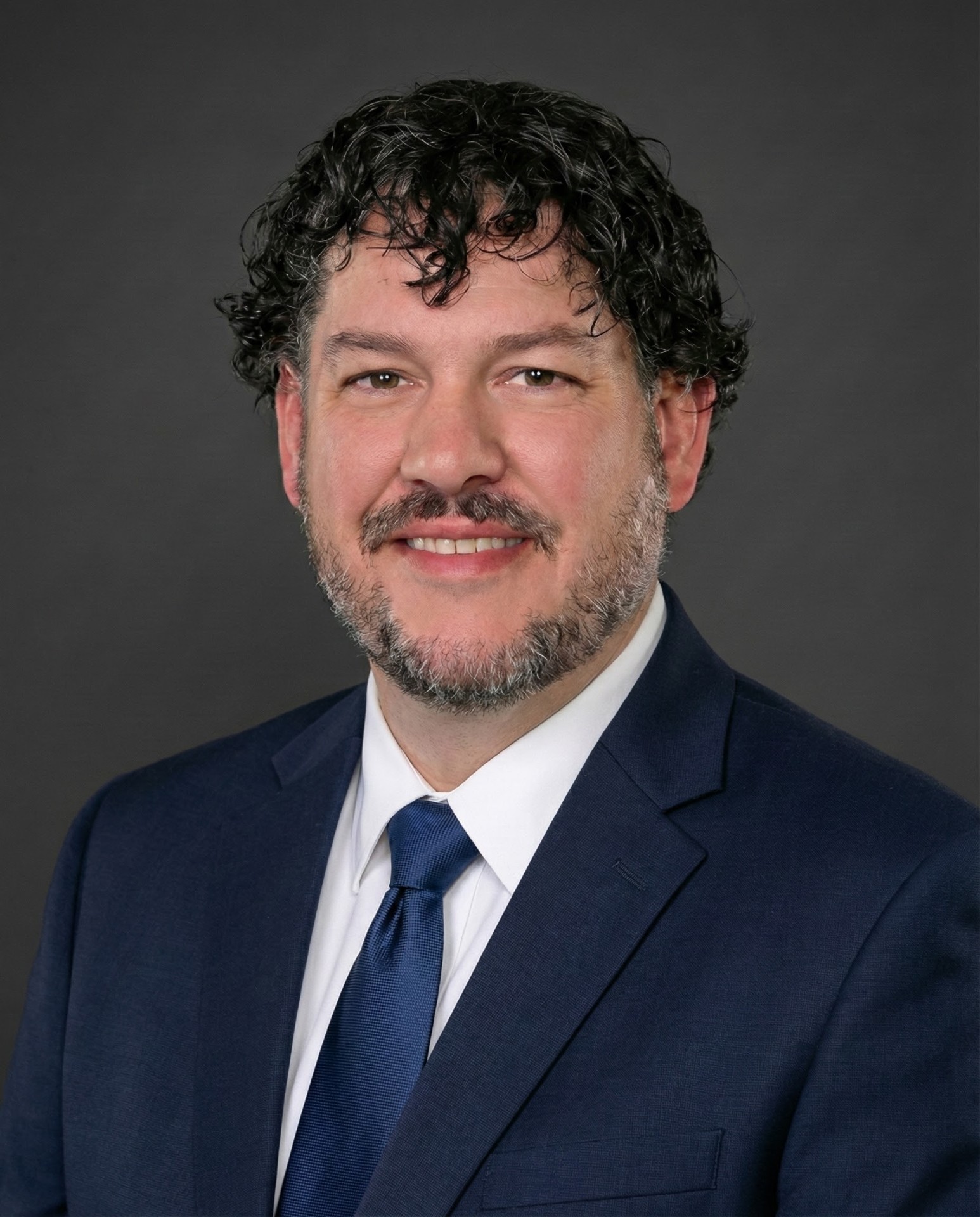
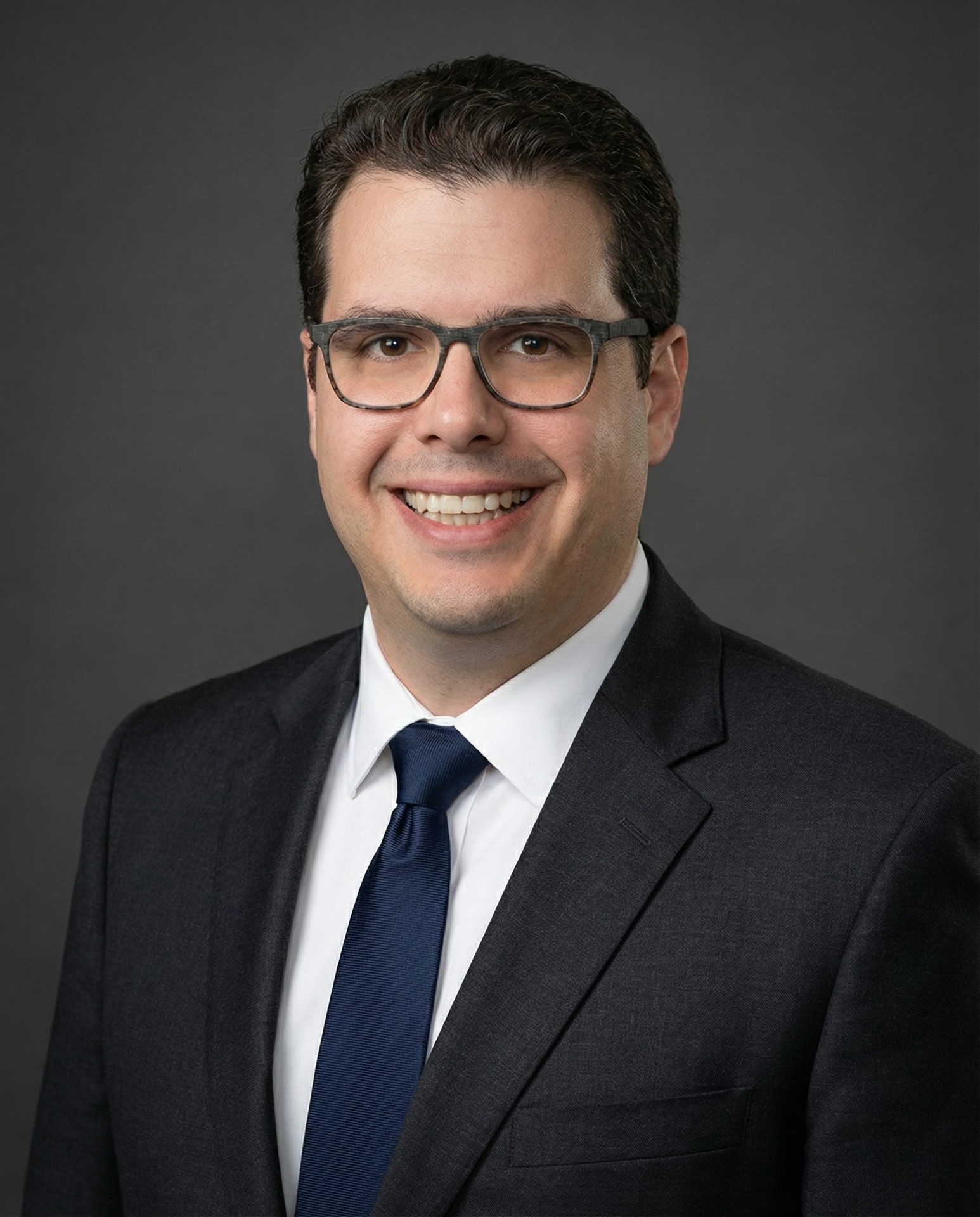
Our Kansas City practice combines orthopedic and vascular care with rehabilitation options. Our vascular team includes Dr. Jonathan Wilson and Dr. Robert Carter; learn about our providers on the Meet the Team page.
A coordinated treatment discussion can follow these priorities:
- Clarify the diagnosis. Review the examination, symptoms, relevant imaging and previous care before assuming knee pain is suitable for embolization.
- Review the full range of options. Discuss exercise-based care, medication when appropriate, injections, GAE and orthopedic referral or surgery when indicated. Not every patient needs every treatment.
- Evaluate procedural suitability. If GAE is under consideration, discuss circulation, other health conditions, medications, potential risks and the evidence relevant to that person’s knee.
- Set functional goals. Consider specific activities such as stairs, walking, standing at work or returning to exercise—not just a pain-score target.
- Reassess the response. Review pain, function and remaining limitations to decide whether the plan needs adjustment.
The purpose is to match care to the actual diagnosis and goals, avoid unnecessary treatment and recognize when another approach is more appropriate. The SIR statement does not establish that our clinic’s combination of services produces better outcomes than other care models.
What recent research adds—and where uncertainty remains
Encouraging studies report improvements in pain and function, but their designs matter:
- 2026 GAUCHO trial: A randomized study of 60 patients compared two embolic agents used for GAE and reported improvement through twelve months. Because both groups received GAE, it did not establish that GAE outperforms placebo, physical therapy or knee replacement. Read the GAUCHO twelve-month results.
- 2026 prospective cohort: A study of 194 participants reported a median pain decrease from 7 to 3 out of 10 at twelve months after treatment with rapidly resorbable microspheres. It lacked a control group and had incomplete twelve-month follow-up, limiting conclusions about comparative benefit. The material studied may differ from what is used at our clinic. Read the Radiology study.
- 2026 sham-controlled evidence: A randomized trial involving 58 patients found improvement in both GAE and sham groups without a statistically significant difference in clinical outcomes at twelve months. This is an important reason not to describe all of the research as uniformly positive. Read the sham-controlled trial.
Society support and mixed trial results can coexist: SIR supports selected use while asking for stronger evidence. Neither a positive study nor a society statement predicts an individual patient’s result.
Who should discuss GAE—and who may need another pathway?
A discussion may be reasonable for someone with diagnosed knee osteoarthritis, ongoing symptoms despite appropriate conservative care, and a desire or medical need to consider alternatives before replacement. Suitability depends on an evaluation; a symptom checklist or online quiz cannot establish candidacy.
A knee with severe mechanical limitations or another diagnosis may need an orthopedic pathway instead. A suddenly hot, swollen knee with fever, inability to bear weight after injury, or a cold or pale foot needs urgent medical evaluation rather than an elective embolization consultation.
Risks, recovery and coverage deserve their own discussion
Potential risks include bleeding or bruising at the access site, contrast reactions, skin changes and unintended embolization affecting tissue outside the intended target. Kidney health and circulation can affect safety. Ask your procedural specialist about risks specific to you, alternatives and follow-up instructions.
GAE is often performed on an outpatient basis, but recovery and activity recommendations vary. Avoid assuming that less invasive means risk-free or that everyone can return immediately to normal activity.
Restore Muscle and Joint accepts most major insurance plans. GAE coverage, medical necessity requirements, prior authorization and out-of-pocket costs vary, including for Medicare patients. Society support does not automatically make a procedure covered. Request an individual benefits review before treatment.
Discuss coordinated knee care in Kansas City
Bring available knee imaging, a medication list and a history of treatments you have tried to a consultation at 4119 NW Barry Rd., Kansas City, MO 64154, near Zona Rosa. We can discuss whether orthopedic evaluation, rehabilitation, vascular treatment or a combination is appropriate for your situation.
Schedule a free GAE consultation or call 816-452-4488. A consultation is an opportunity to consider options—not a commitment to undergo embolization.
Sources and further reading
- SIR: Official May 12, 2026 announcement
- JVIR: SIR position statement
- GAUCHO: Twelve-month randomized comparison of GAE embolic agents
- Radiology: Prospective study of rapidly resorbable microspheres
- European Radiology: Twelve-month sham-controlled trial
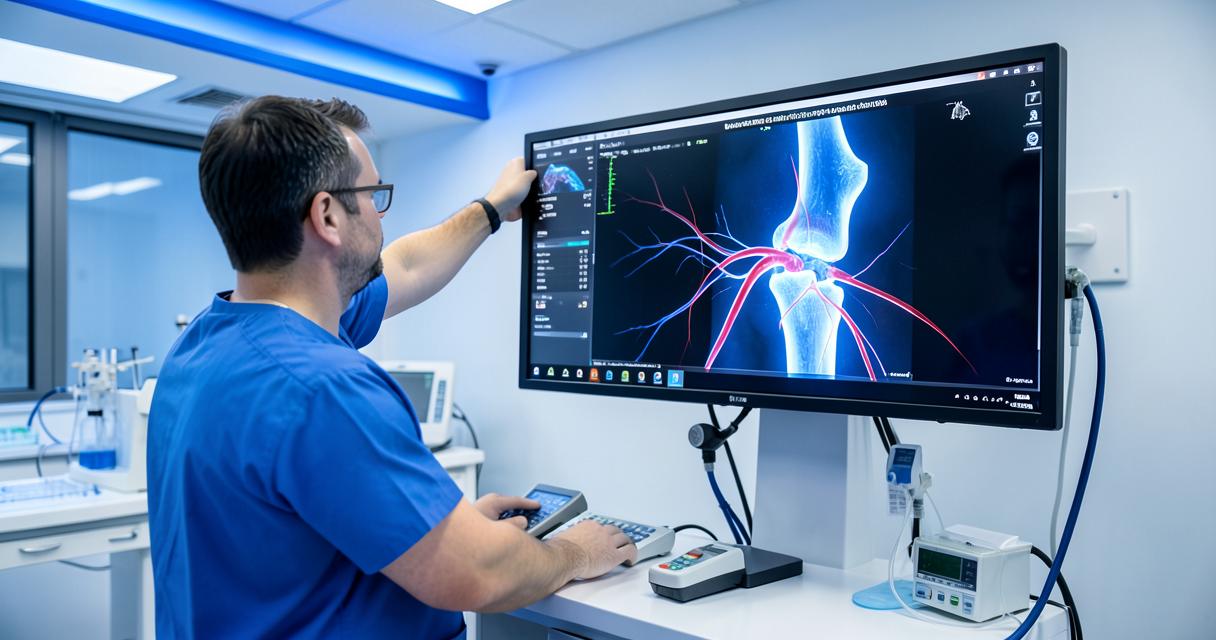
Educational information, not individualized medical advice. Patient experiences and treatment results vary. No procedure or combination of treatments guarantees pain relief or avoidance of surgery. Research findings are not our clinic’s measured outcomes. The existing article image is illustrative, not evidence of a patient result.
Frequently Asked Questions
Get Your Free Consultation Today
No obligation. No pressure. Just a conversation about how we can help you live pain-free. Schedule your free consultation with our expert team now.
Request Your Appointment Today
Request a visit and our care team will call you within one business day to arrange your appointment.
Ready to talk to a specialist?
Our care team can help you explore your options and arrange an appointment that fits your needs.
Most major insurance accepted · 4119 NW Barry Rd, Kansas City, near Zona Rosa